

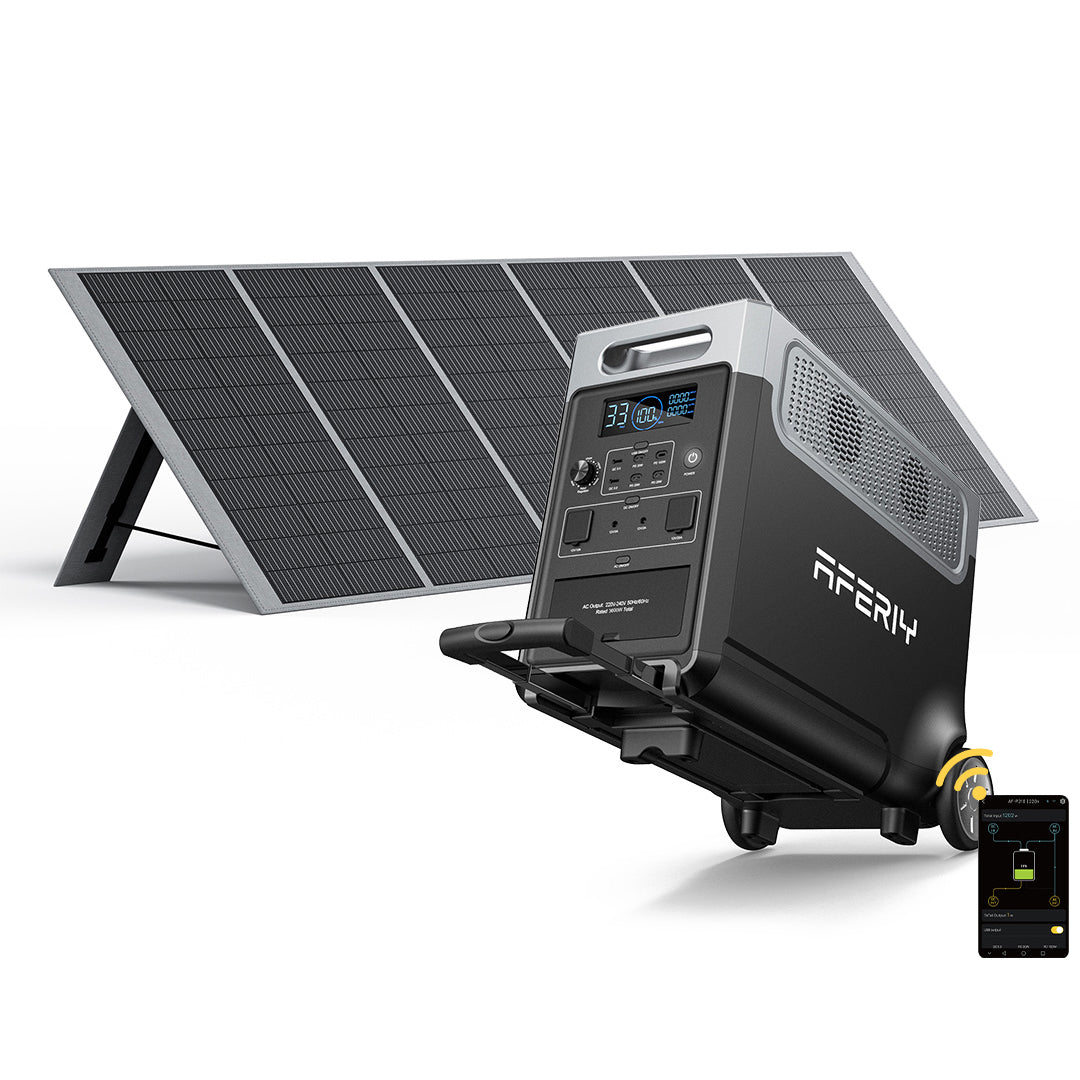
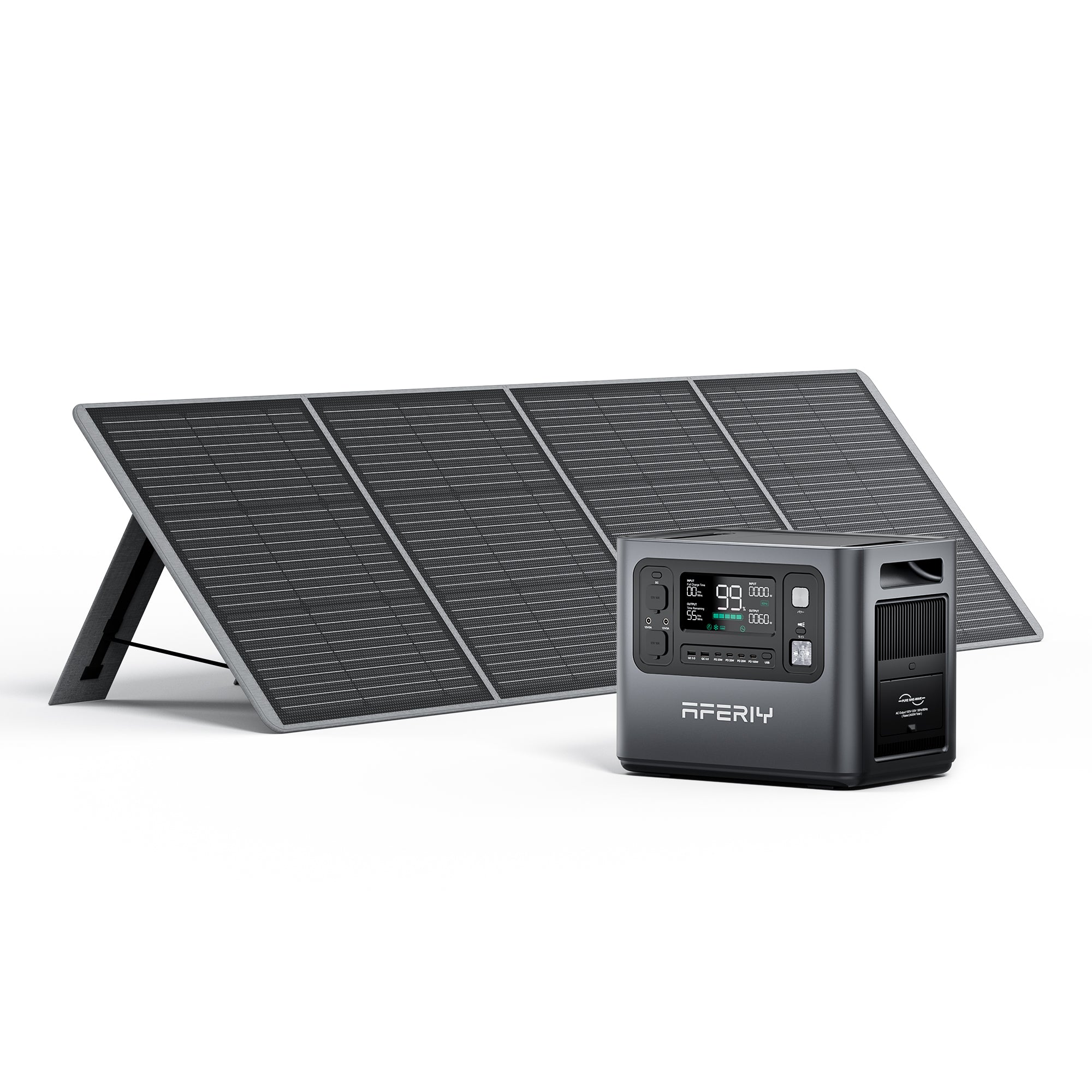









Las mejores soluciones de energía de respaldo para los apagones en Ucrania en 2026
Los frecuentes cortes de energía se han convertido en una gran preocupación en toda Ucrania. Los daños a la infraestructura energética, el aumento de la demanda de electricidad y la persistente inestabilidad de la red han dificultado que muchos hogares y empresas accedan a suministros de energía estables y fiables.
Desde la invasión rusa de Ucrania, la red eléctrica del país ha sufrido repetidas sacudidas, especialmente durante los períodos invernales de mayor consumo de electricidad. Los apagones rotatorios y los cortes de energía de emergencia se han vuelto rutinarios en muchas regiones.
En consecuencia, un número creciente de personas busca soluciones fiables de energía de reserva para garantizar que los aparatos críticos sigan funcionando durante los cortes. Desde estaciones de energía portátiles hasta sistemas de almacenamiento de baterías domésticas, las tecnologías modernas de almacenamiento de energía se están convirtiendo en un componente esencial de la seguridad energética.
Este artículo explora las soluciones óptimas de energía de reserva para 2026 y guía a los hogares y empresas ucranianos en la selección de las opciones más adecuadas según sus necesidades específicas.
Contenido
- Por qué una fuente de energía de respaldo fiable es crucial en Ucrania
- Factores clave al elegir una solución de energía de respaldo
- Las mejores soluciones de energía de respaldo durante los apagones
- Por qué las baterías LiFePO4 son ideales para el almacenamiento de energía de emergencia
- Cómo calcular la capacidad de batería que necesita
- Configuración recomendada de almacenamiento de energía para hogares
- Conclusión
- Preguntas frecuentes
Por qué una fuente de energía de respaldo fiable es crucial en Ucrania
Los cortes de energía pueden ocurrir en cualquier momento, a menudo sin previo aviso. En los últimos años, tanto las zonas urbanas como las rurales de Ucrania han experimentado interrupciones en el suministro de electricidad debido a la infraestructura dañada, la creciente demanda y las reparaciones en curso de la red.
La situación empeora durante el invierno. Muchos hogares dependen de la electricidad para mantener los sistemas de calefacción, la iluminación y los dispositivos de comunicación, lo que hace que incluso los cortes breves interrumpan la vida diaria.
Para las empresas, la electricidad es aún más crítica. Las tiendas, oficinas y proveedores de servicios dependen de una energía estable para operar equipos, procesar pagos y mantener la conectividad a Internet.
Sin energía de respaldo, los cortes pueden provocar:
- Interrupción del negocio y pérdida de ingresos
- Interrupciones en los servicios de comunicación e Internet
- Deterioro de alimentos debido a fallas en la refrigeración
- Cortes de calefacción durante el clima frío
Dados estos riesgos, la energía de respaldo fiable se ha convertido en una inversión esencial para muchos hogares y empresas ucranianos.
Factores clave al elegir una solución de energía de respaldo
No todos los sistemas de energía de respaldo son iguales. Al seleccionar una solución, se deben considerar varios factores clave para garantizar que el sistema satisfaga sus necesidades.
Capacidad de la batería
La capacidad de la batería determina cuánto tiempo el sistema puede alimentar sus dispositivos durante un corte. Se mide típicamente en vatios-hora (Wh) o kilovatios-hora (kWh).
Una batería de mayor capacidad proporciona un soporte de energía más duradero para los electrodomésticos. Por ejemplo:
- Estaciones de energía portátiles pequeñas: 500–2000 Wh
- Sistemas domésticos medianos: 3–5 kWh
- Grandes sistemas de almacenamiento de energía doméstica: 10 kWh y superiores
La selección de la capacidad adecuada depende del número de electrodomésticos que requieren energía.
Potencia de salida
La potencia de salida determina cuántos dispositivos puede alimentar el sistema simultáneamente. Los electrodomésticos como los refrigeradores y los hervidores eléctricos requieren mucha más energía que los pequeños aparatos electrónicos como los enrutadores y los teléfonos inteligentes.
Verifique la potencia de salida máxima de CA del sistema de energía de respaldo para asegurarse de que admita sus dispositivos de forma segura.
Métodos de carga
Los sistemas modernos de almacenamiento de energía suelen admitir múltiples opciones de carga:
- Carga de la red
- Carga de paneles solares
- Carga de respaldo del generador
Múltiples métodos de carga ofrecen mayor flexibilidad, especialmente críticos durante cortes de energía prolongados.
Las mejores soluciones de energía de respaldo durante los apagones
Existen varias soluciones comunes de energía de respaldo para mantener la electricidad durante los cortes, cada una de las cuales ofrece distintas ventajas según las circunstancias específicas.
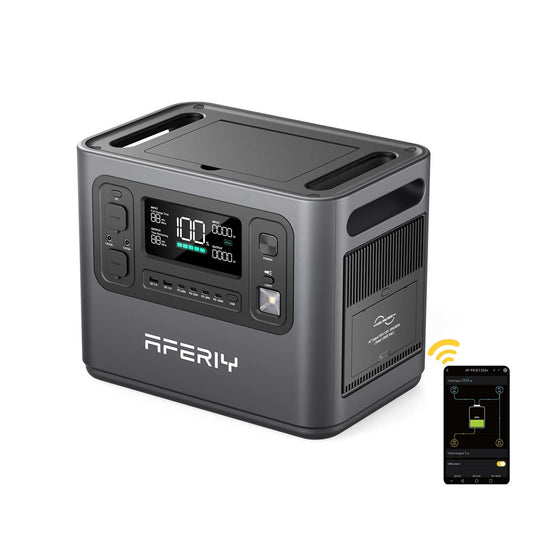
Estaciones de energía portátiles
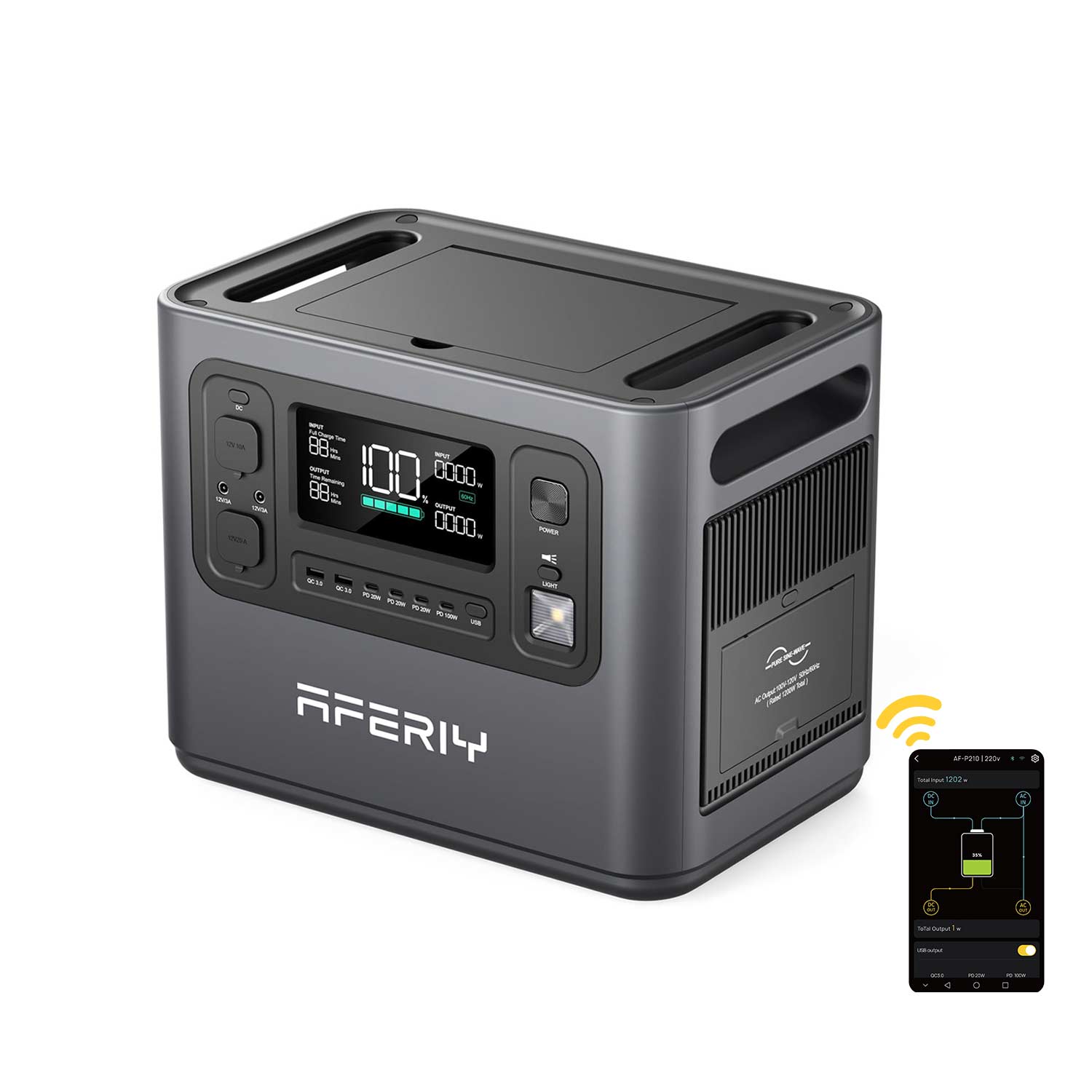
Las estaciones de energía portátiles son dispositivos de batería compactos diseñados para el suministro de energía de emergencia y el uso de energía móvil.
Las ventajas incluyen:
- Fáciles de transportar e instalar
- Funcionamiento silencioso sin ruido de motor
- No requieren combustible
- Seguras para uso en interiores
Son ideales para alimentar pequeños electrodomésticos como:
- Enrutadores Wi-Fi
- Iluminación LED
- Portátiles y teléfonos inteligentes
- Pequeños refrigeradores

Para los habitantes de apartamentos o en situaciones de cortes de energía, las estaciones de energía portátiles ofrecen una solución conveniente.
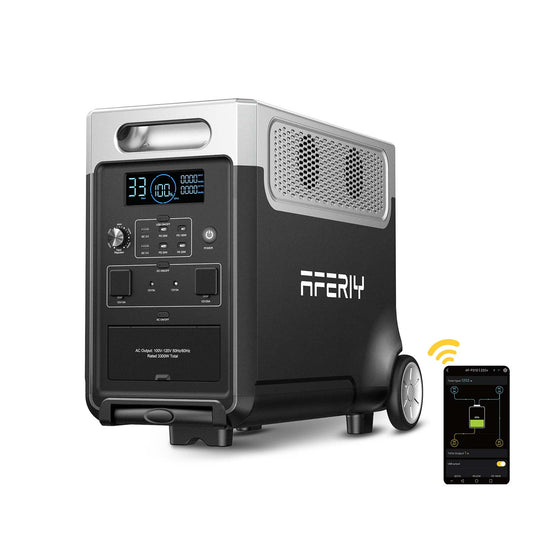
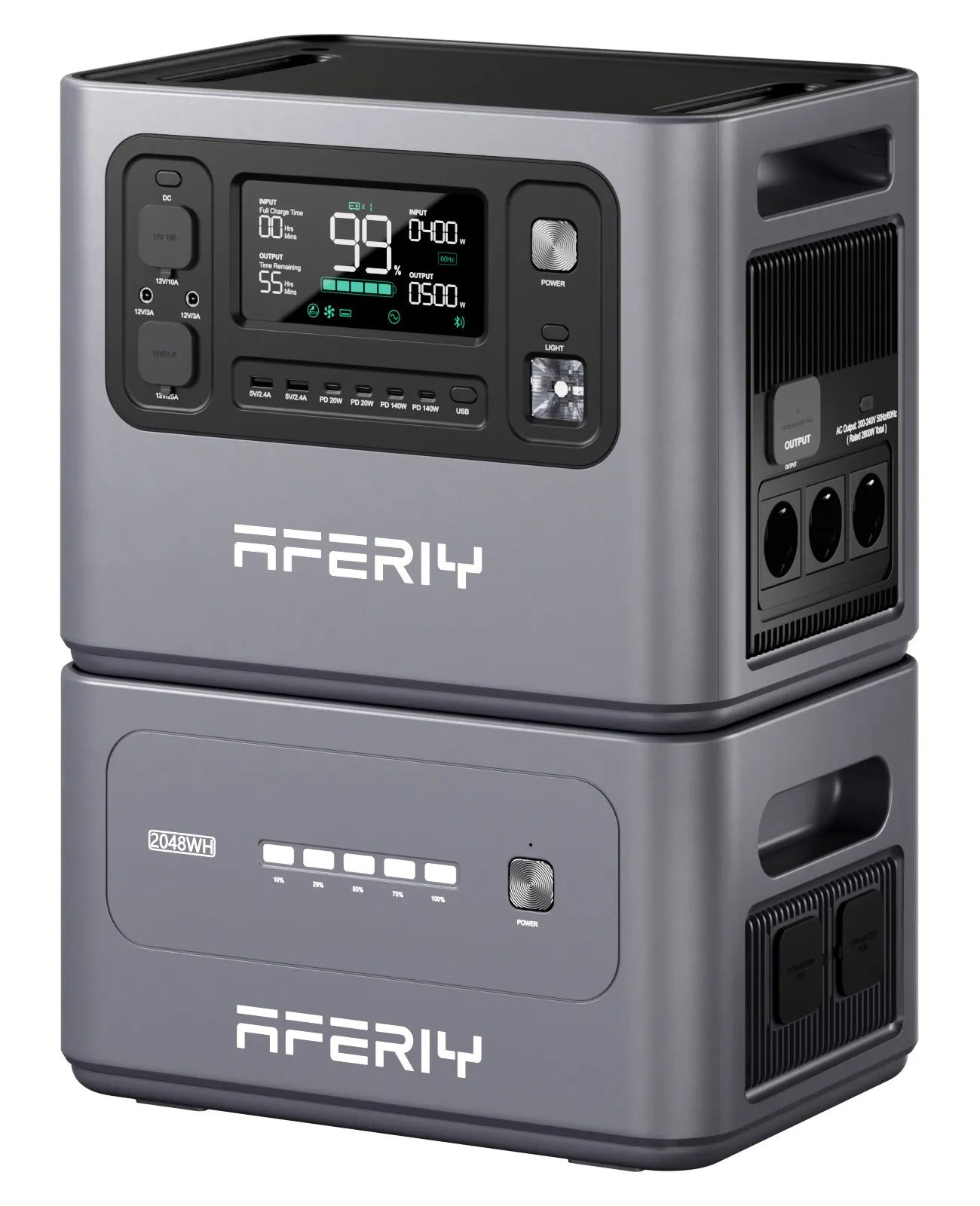
Sistemas de almacenamiento de baterías para el hogar
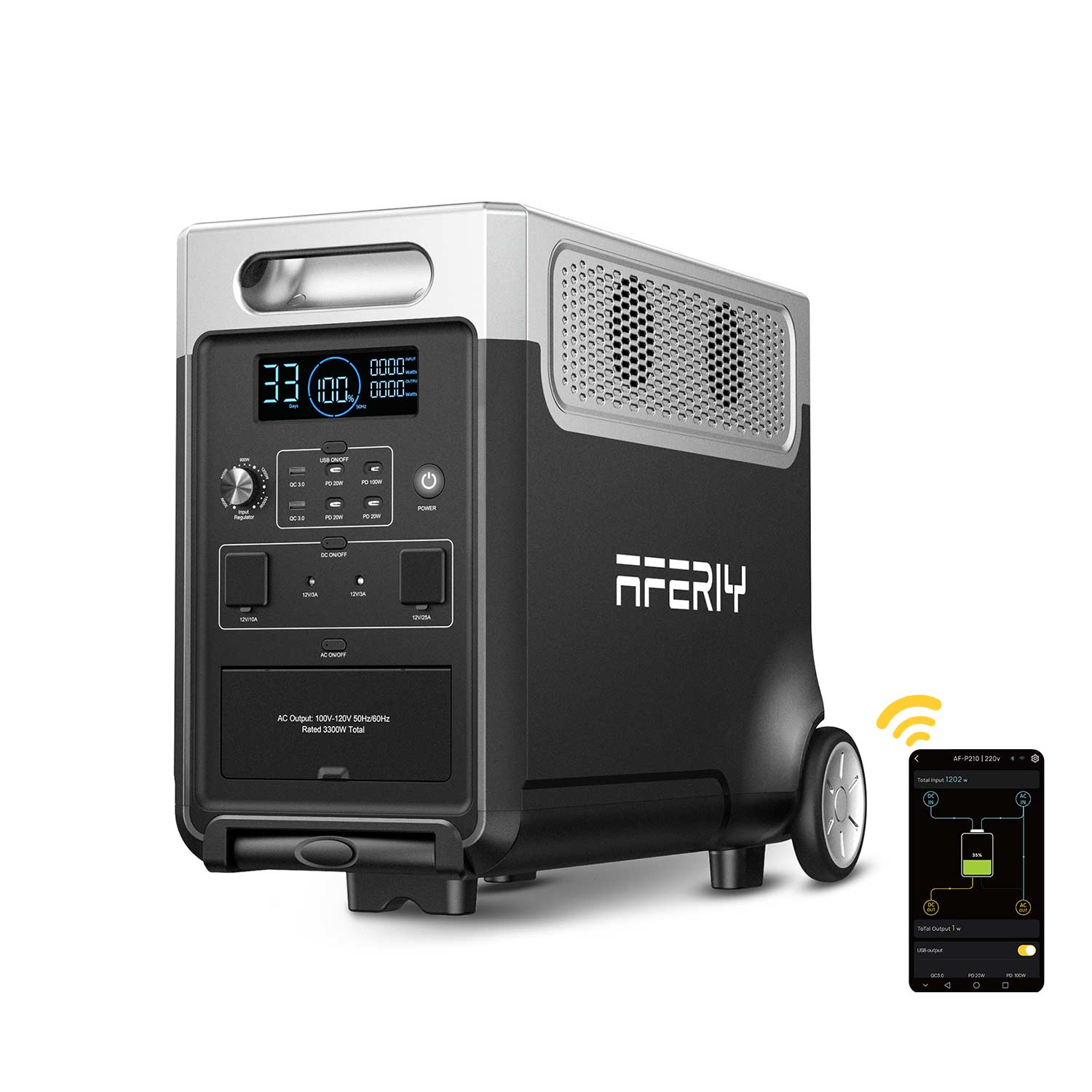
Los sistemas de almacenamiento de baterías para el hogar ofrecen mayor capacidad para alimentar más electrodomésticos durante los cortes de energía.
Estos sistemas suelen instalarse como parte de un sistema de energía de respaldo para el hogar, activándose automáticamente cuando la red eléctrica falla.
Las ventajas incluyen:
- Alta capacidad energética
- Energía de respaldo automática fiable
- Capacidad para alimentar varias habitaciones o electrodomésticos
Muchos propietarios eligen sistemas de almacenamiento de baterías para garantizar que los equipos críticos como refrigeradores, iluminación y sistemas de red permanezcan operativos durante los cortes.
Sistemas solares + de almacenamiento de baterías
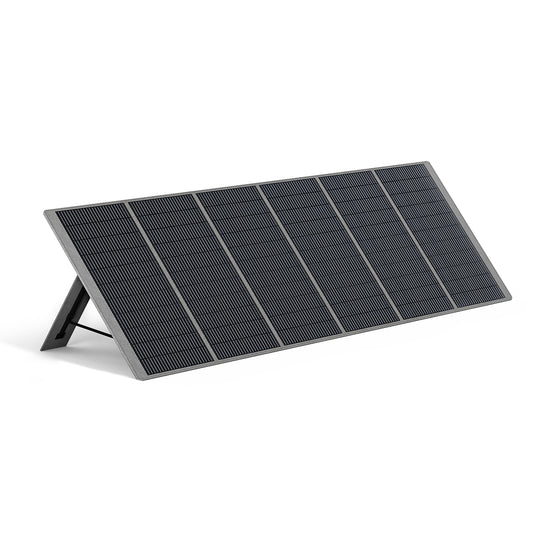
Combinar la energía solar con el almacenamiento de baterías crea una de las soluciones energéticas más resistentes disponibles.
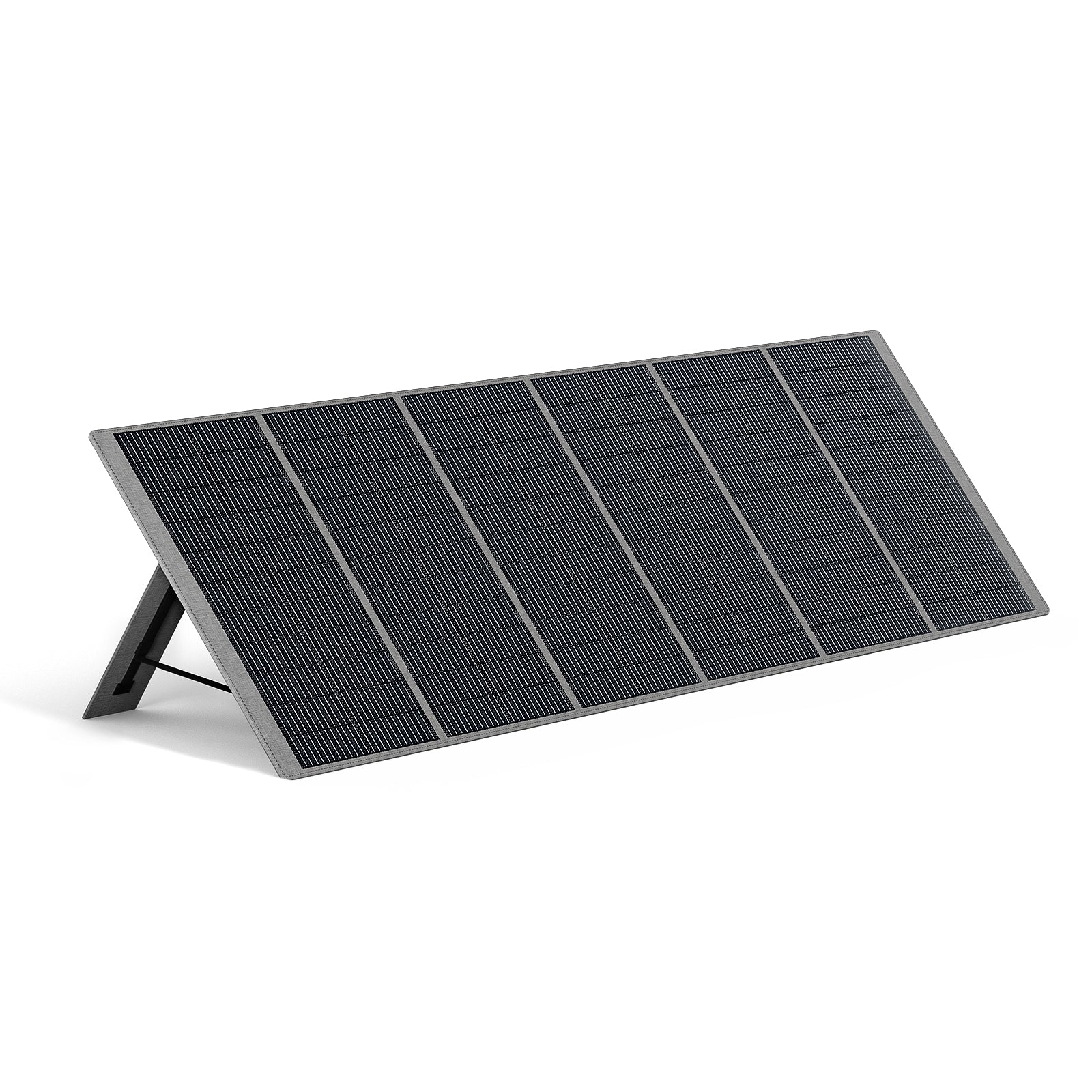
En condiciones normales, los paneles solares generan electricidad para satisfacer las necesidades del hogar mientras cargan la batería. Durante los cortes de energía, la batería suministra energía a los electrodomésticos críticos.
Las ventajas incluyen:
- Reducción de la dependencia de la red
- Generación de energía continua durante el día
- Ahorros de energía a largo plazo
Para los hogares que buscan independencia energética a largo plazo, los sistemas de baterías solares proporcionan tanto energía de respaldo como un suministro de energía renovable.
Por qué las baterías LiFePO4 son ideales para el almacenamiento de energía de emergencia
Una de las tecnologías más adoptadas en los sistemas modernos de energía de respaldo es la batería de fosfato de hierro y litio, comúnmente conocida como batería LiFePO4.
En comparación con las baterías de plomo-ácido tradicionales, las baterías de fosfato de hierro y litio ofrecen múltiples ventajas que las convierten en una opción ideal para el almacenamiento de energía de emergencia.
Larga vida útil
Las baterías de fosfato de hierro y litio pueden soportar miles de ciclos de carga-descarga, superando con creces muchos tipos de baterías convencionales.
Alta seguridad
Su composición química proporciona una estabilidad térmica excepcional, reduciendo eficazmente el riesgo de sobrecalentamiento.
Alta eficiencia de almacenamiento de energía
Estas baterías presentan una alta densidad de energía, lo que les permite almacenar y liberar más energía eléctrica durante los cortes de energía.
Rendimiento estable
Incluso en condiciones de carga-descarga frecuentes, las baterías LiFePO4 mantienen un rendimiento fiable, lo cual es crucial para manejar las interrupciones de energía recurrentes.
Debido a estas ventajas, la tecnología de baterías de litio se está convirtiendo cada vez más en la solución preferida para numerosos sistemas de almacenamiento de energía residenciales y comerciales.
Cómo calcular la capacidad de batería que necesita
La selección de la capacidad de batería adecuada requiere estimar el consumo de energía del hogar durante los cortes de energía.
Un método simplificado para estimar las necesidades de energía es:
Consumo de energía × Tiempo de funcionamiento = Energía requerida
Por ejemplo, si un refrigerador consume 150 vatios y funciona durante 10 horas, requiere aproximadamente 1,500 vatios-hora (1.5 kWh) de energía almacenada.
Consumo de energía de referencia para los electrodomésticos esenciales típicos del hogar:
| Electrodomésticos | Potencia |
| Refrigerador | 150–200 vatios |
| Enrutador Wi-Fi | 10–20 vatios |
| Iluminación LED | 5–20 vatios por bombilla |
| Carga de portátil o teléfono | 30–60 vatios |
Al calcular la demanda total de energía de los electrodomésticos esenciales, los usuarios pueden determinar la capacidad de batería requerida para garantizar un suministro de energía de respaldo fiable.
Configuración recomendada de almacenamiento de energía para hogares
Los diferentes hogares requieren distintos niveles de energía de respaldo según sus necesidades de electricidad.
Configuración básica de emergencia
- Estación de energía portátil de 1–2 kWh
- Adecuada para iluminación, teléfonos móviles y enrutadores
Solución estándar de respaldo para el hogar
- Sistema de batería doméstica de 5–10 kWh
- Soporta refrigeradores, iluminación y electrónica
Residencias grandes o configuración de pequeñas empresas
- Sistema de almacenamiento de energía de 10 kWh o más
- Adecuado para alimentar múltiples electrodomésticos y dispositivos
La selección del sistema adecuado garantiza que los equipos críticos permanezcan operativos durante cortes de energía prolongados.
Conclusión
Los frecuentes cortes de energía han hecho que la energía de respaldo fiable sea cada vez más vital en Ucrania. Ya sea para hogares, apartamentos o negocios, tener un suministro de energía independiente mitiga el impacto de los apagones y mejora la resiliencia diaria.
Las estaciones de energía portátiles ofrecen electricidad de emergencia conveniente, mientras que los sistemas de baterías domésticas proporcionan mayor capacidad para las necesidades de respaldo a largo plazo. Cuando se combinan con tecnología solar, estas soluciones contribuyen aún más a lograr niveles más altos de autonomía energética.
A medida que la tecnología de almacenamiento de energía continúa avanzando, las soluciones de energía de respaldo basadas en baterías están surgiendo como una de las formas más prácticas y fiables de garantizar el suministro de electricidad durante los cortes en 2026 y más allá.
Preguntas frecuentes
Durante un corte de energía, ¿qué electrodomésticos puede alimentar un sistema de batería de respaldo?
Una batería de respaldo para el hogar puede alimentar muchos electrodomésticos esenciales durante un corte, dependiendo de su capacidad y potencia de salida.
Los dispositivos típicos compatibles con un sistema de batería doméstica incluyen:
- Refrigeradores y congeladores
- Iluminación LED
- Enrutadores y módems Wi-Fi
- Teléfonos inteligentes y portátiles
- Televisores
- Sistemas de seguridad
Los sistemas de almacenamiento de energía doméstica más grandes también pueden alimentar electrodomésticos adicionales como microondas, hervidores eléctricos o pequeños dispositivos de calefacción. La selección de la capacidad de batería adecuada garantiza que los dispositivos críticos permanezcan operativos durante los cortes de energía en Ucrania.
¿Cuánto tiempo puede proporcionar energía un sistema de batería doméstica?
El tiempo de funcionamiento de un sistema de batería depende principalmente de dos factores: la capacidad de la batería y el consumo de energía de los dispositivos conectados.
Por ejemplo:
- Una estación de energía portátil de 1-2 kWh puede suministrar energía durante varias horas a pequeños dispositivos como enrutadores, equipos de iluminación y teléfonos móviles.
- Un sistema de batería doméstica de 5-10 kWh puede mantener electrodomésticos principales como refrigeradores, iluminación y equipos de red durante varias horas.
En áreas con cortes de energía frecuentes, los sistemas de batería de mayor capacidad ofrecen un tiempo de respaldo extendido y una mayor fiabilidad energética.
¿Pueden los paneles solares funcionar durante un corte de energía?
Los paneles solares generan electricidad durante las horas del día, pero por razones de seguridad, la mayoría de los sistemas solares estándar conectados a la red se apagan automáticamente durante un corte.
Sin embargo, cuando los paneles solares se combinan con un sistema de almacenamiento de baterías, la energía almacenada puede seguir alimentando los hogares incluso cuando la red está caída.
Los sistemas solares + baterías permiten a los propietarios:
- Almacenar el exceso de energía solar durante las horas del día
- Utilizar la electricidad almacenada por la noche o durante los cortes de energía
- Reducir la dependencia de la red
A medida que la infraestructura energética sigue enfrentando desafíos tras la invasión rusa de Ucrania, los sistemas de baterías solares están surgiendo como una solución popular para garantizar un suministro de energía fiable.