










Cortes de Energia na Ucrânia: Por Que o Armazenamento de Energia Está a Tornar-se Essencial para Casas e Empresas
Nos últimos anos, as falhas de energia tornaram-se um desafio frequente em toda a Ucrânia. Danos na infraestrutura energética, aumento da procura de eletricidade no inverno e uma rede nacional instável não só causaram apagões frequentes, como também tornaram o fornecimento de energia imprevisível para muitas famílias e empresas.
Para além do frio extremo, as forças armadas russas lançaram os seus ataques de maior escala à infraestrutura energética crítica da Ucrânia, desencadeando apagões em todo o país. Consequentemente, famílias e empresas procuram ativamente soluções confiáveis de energia de reserva. Entre as opções existentes, os sistemas de armazenamento de energia baseados em baterias estão a emergir rapidamente como uma das formas mais práticas e sustentáveis de garantir o fornecimento de energia durante falhas.
Este artigo foca-se na falha de energia na Ucrânia e por que o armazenamento de energia se tornou um componente indispensável para garantir a segurança energética.
Conteúdo
- O Crescente Problema das Falhas de Energia na Ucrânia
- Como as Falhas Frequentes de Energia Afetam a Vida Diária
- Opções Tradicionais de Energia de Reserva
- Por Que o Armazenamento de Energia em Baterias é uma Solução Melhor
- Como as Baterias LiFePO4 Melhoram a Segurança Energética
- Usos Comuns do Armazenamento de Energia Durante Falhas de Energia
- O Futuro do Armazenamento de Energia na Ucrânia
- Conclusão
- Perguntas Frequentes
O Crescente Problema das Falhas de Energia na Ucrânia
Nos últimos anos, a rede elétrica da Ucrânia tem enfrentado uma enorme pressão. Ataques à infraestrutura energética, equipamentos envelhecidos e o aumento da procura de eletricidade levaram coletivamente a falhas frequentes de energia.
Os seguintes fatores agravaram o problema:
- Danos nas redes de transmissão e distribuição
- Capacidade insuficiente de geração de energia no inverno
- Aumento da procura de eletricidade para aquecimento
- Manutenção contínua da infraestrutura crítica
Estes desafios frequentemente resultam em cortes de energia rotativos — interrupções temporárias em áreas específicas para estabilizar a rede.
Em muitas cidades ucranianas, os residentes podem experienciar múltiplas falhas semanais, especialmente durante as estações frias, quando o consumo de eletricidade atinge o pico.
Como as Falhas Frequentes de Energia Afetam a Vida Diária
As falhas de energia são mais do que simples incómodos temporários — perturbam as atividades diárias e as operações comerciais.
Impacto nas Famílias
Para os lares, uma falha de energia pode rapidamente tornar-se num problema sério. Muitos aparelhos domésticos dependem de um fornecimento de energia estável.
Desafios comuns nas casas durante falhas de energia incluem:
- Frigoríficos perdem a função de refrigeração, levando à deterioração dos alimentos
- Interrupção da iluminação noturna
- Impossibilidade de carregar telemóveis ou computadores portáteis
- Sistemas de aquecimento de inverno desligam-se
- Falha na rede, routers, modems óticos, etc., deixam de funcionar
- Sistema de abastecimento de água afetado
- Equipamentos de segurança doméstica, como sistemas de vigilância e alarmes, avariam, aumentando os riscos de segurança
- Equipamentos médicos deixam de funcionar, como concentradores de oxigénio e ventiladores
- Portas de garagem e portões elétricos não podem ser abertos, impedindo a entrada ou saída de veículos
Os moradores de apartamentos são particularmente vulneráveis, pois têm acesso limitado a geradores a combustível.
Impacto nas Empresas
As empresas enfrentam riscos ainda mais graves.
Pequenas empresas, escritórios e lojas dependem da eletricidade para manter:
- Sistemas de pagamento
- Conectividade à internet
- Sistemas de segurança
- Refrigeração de produtos perecíveis
Mesmo falhas breves podem causar interrupções operacionais, redução da produtividade e perdas financeiras.
Opções Tradicionais de Energia de Reserva
Durante falhas de energia, as pessoas frequentemente recorrem a soluções tradicionais de energia de reserva. A escolha mais comum é um gerador a combustível.
Geradores a Diesel
Geradores a diesel têm servido há muito tempo como fontes de energia de emergência para residências e edifícios comerciais.
Vantagens
- Alta potência de saída
- Adequado para edifícios grandes
Desvantagens
- Funcionamento ruidoso
- Falta de combustível durante crises
- Elevados requisitos de manutenção
Geradores a Gasolina
Geradores portáteis a gasolina representam outra solução popular.
Vantagens
- Relativamente acessível
- Fácil de adquirir
Desvantagens
- Inseguro para operação em ambientes interiores
- Requer reabastecimento frequente
- Emite gases de escape e ruído
Em regiões com fornecimento instável de combustível, estes geradores podem não oferecer uma solução confiável a longo prazo.
Por Que o Armazenamento de Energia em Baterias é uma Solução Melhor
Os sistemas de armazenamento de energia baseados em baterias estão a substituir cada vez mais os geradores tradicionais como a escolha principal. Ao contrário dos geradores a combustível, estes sistemas armazenam energia elétrica em baterias recarregáveis e fornecem energia instantânea durante falhas.
As principais vantagens do armazenamento de energia em baterias incluem:
- Funcionamento silencioso sem ruído de motor
- Zero emissões, adequada para ambientes interiores
- Comutação instantânea durante falhas na rede
- Custos de manutenção mais baixos do que geradores tradicionais

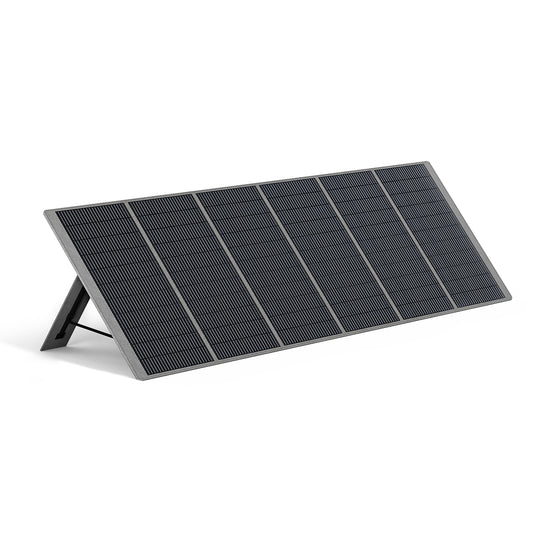
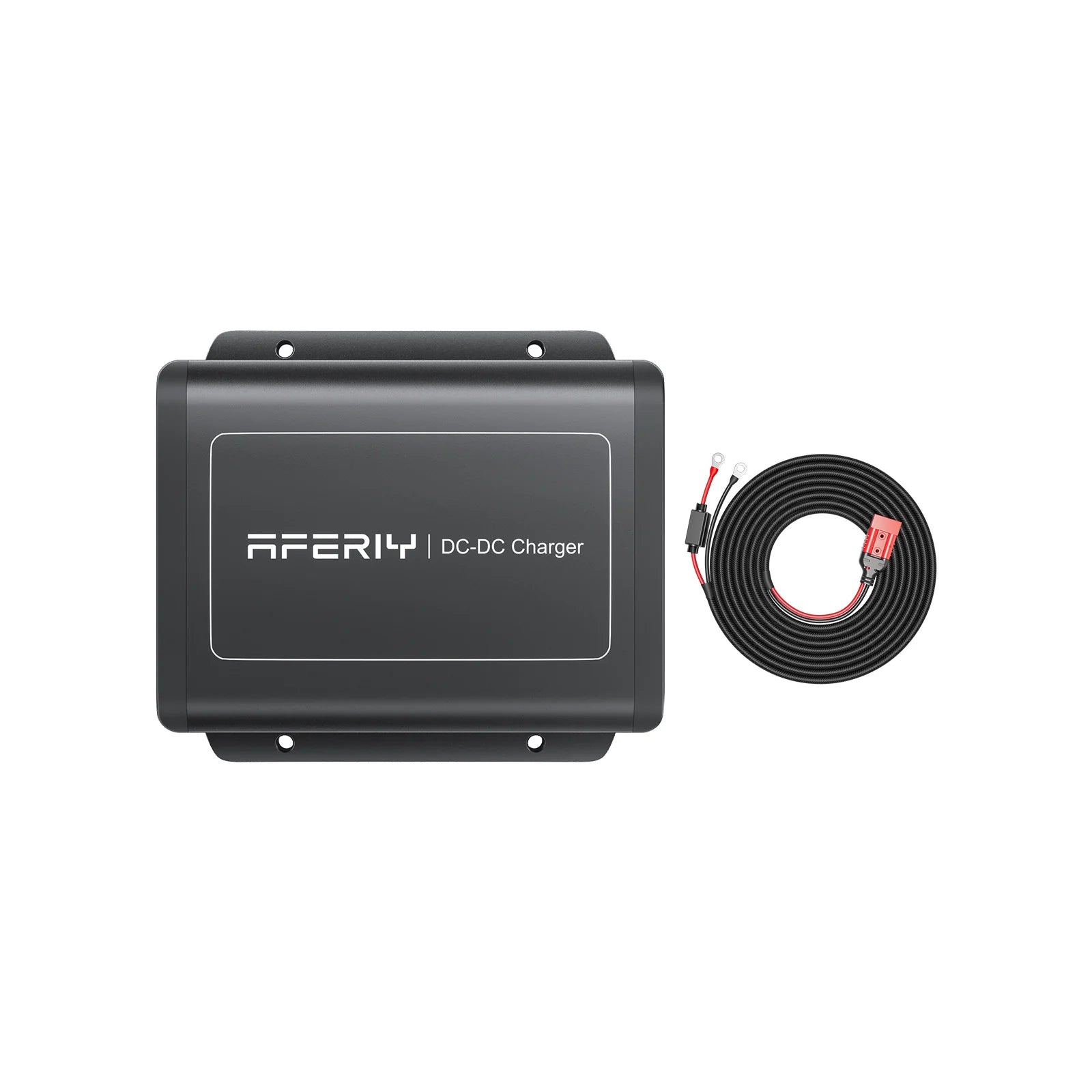
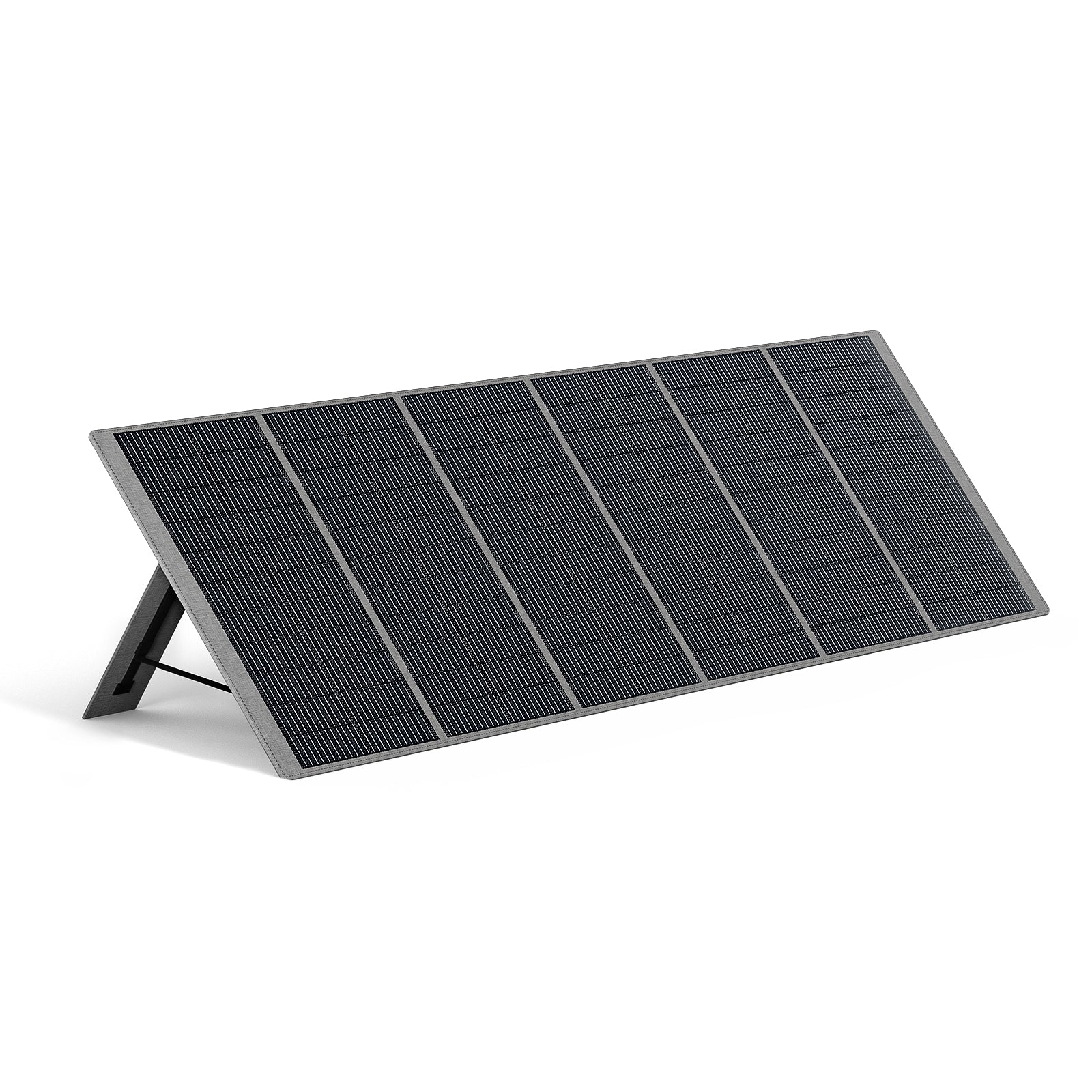
Os sistemas modernos também podem integrar-se com painéis solares, permitindo que residências e empresas gerem e armazenem a sua própria eletricidade.
Esta combinação cria uma solução de fornecimento de energia mais resiliente e sustentável.
Como as Baterias LiFePO4 Melhoram a Segurança Energética
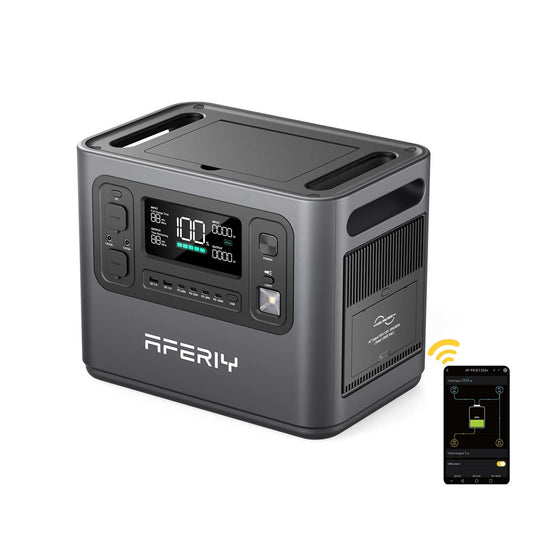
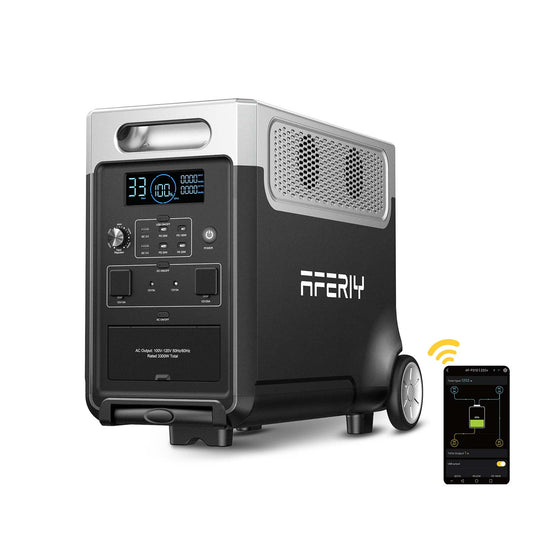
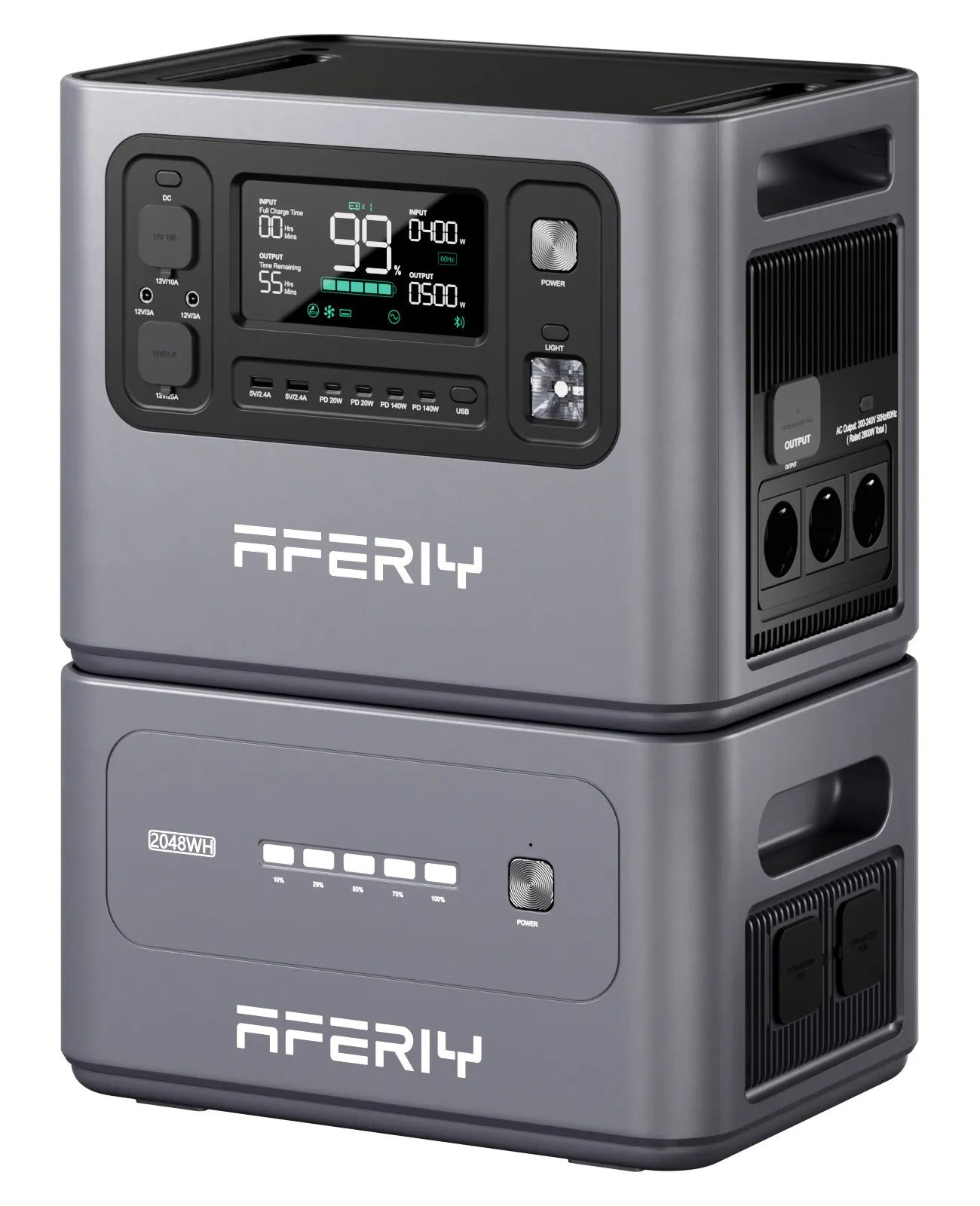
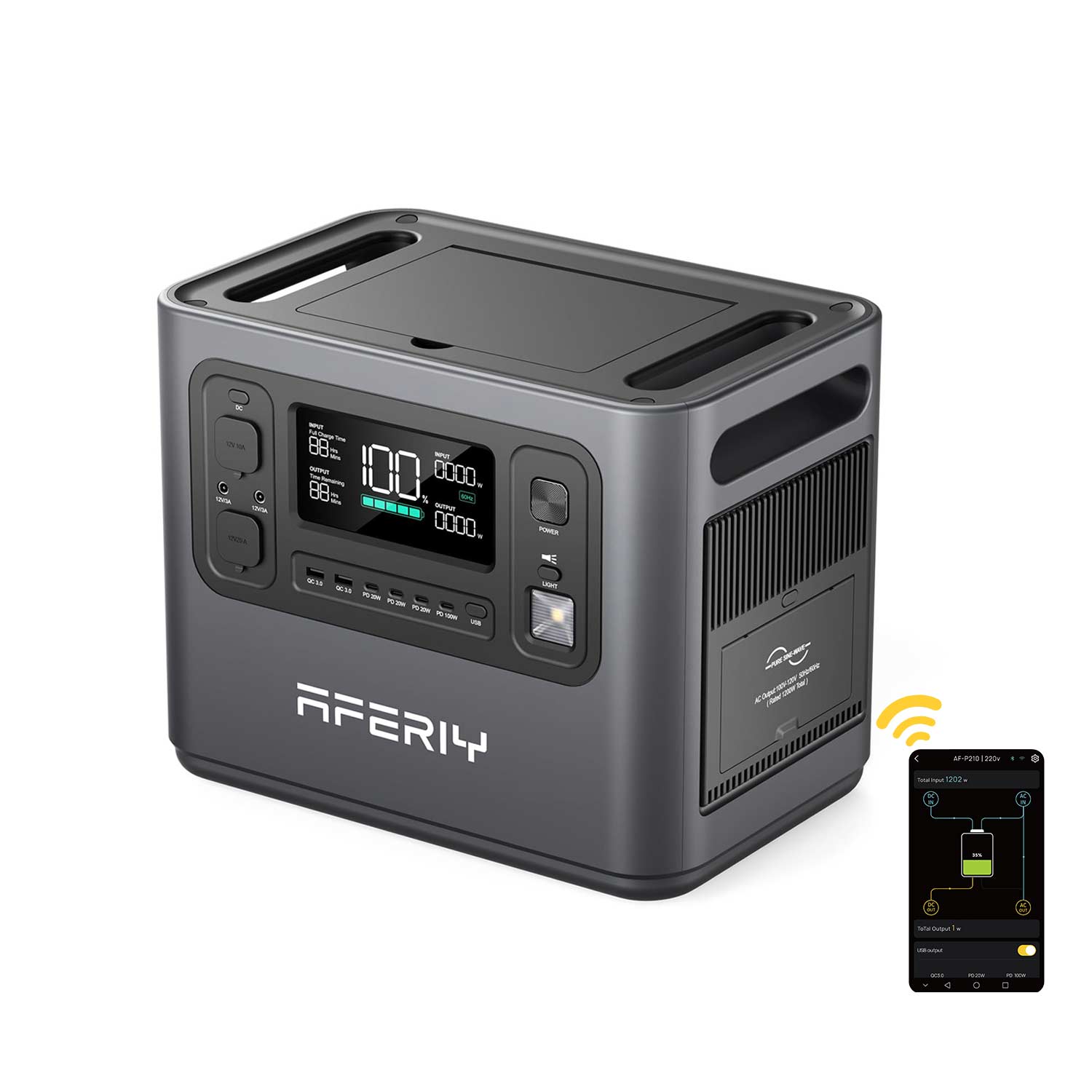
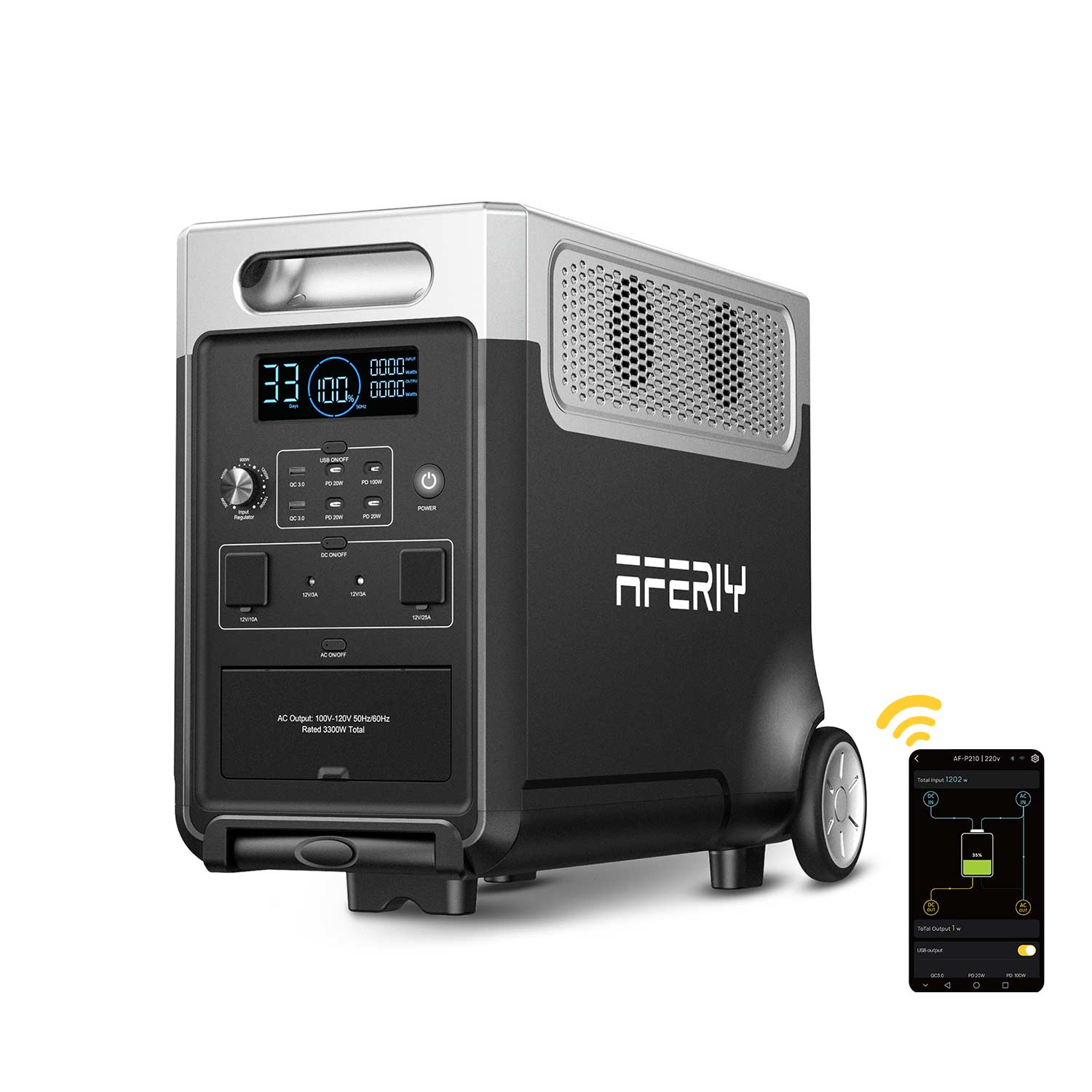
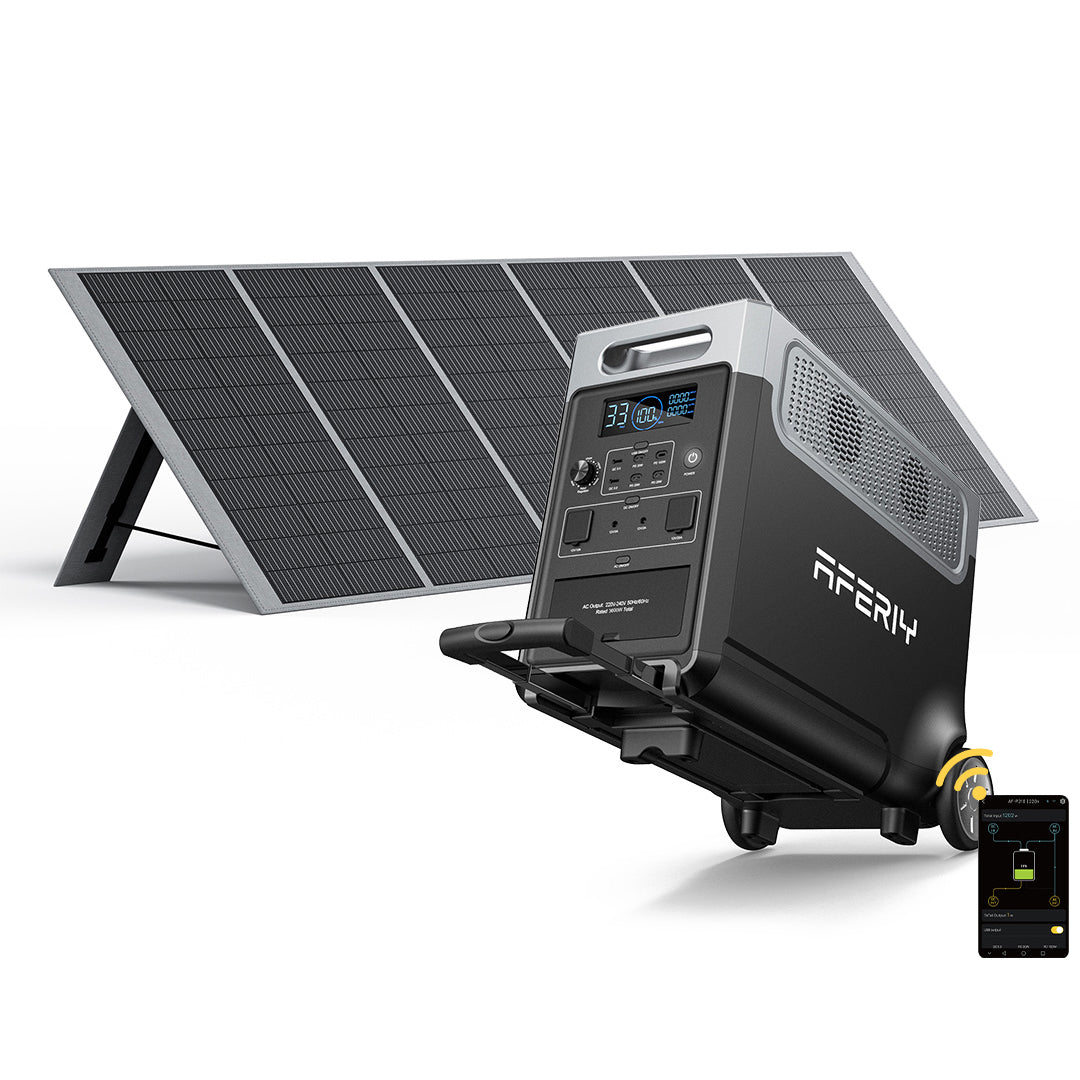
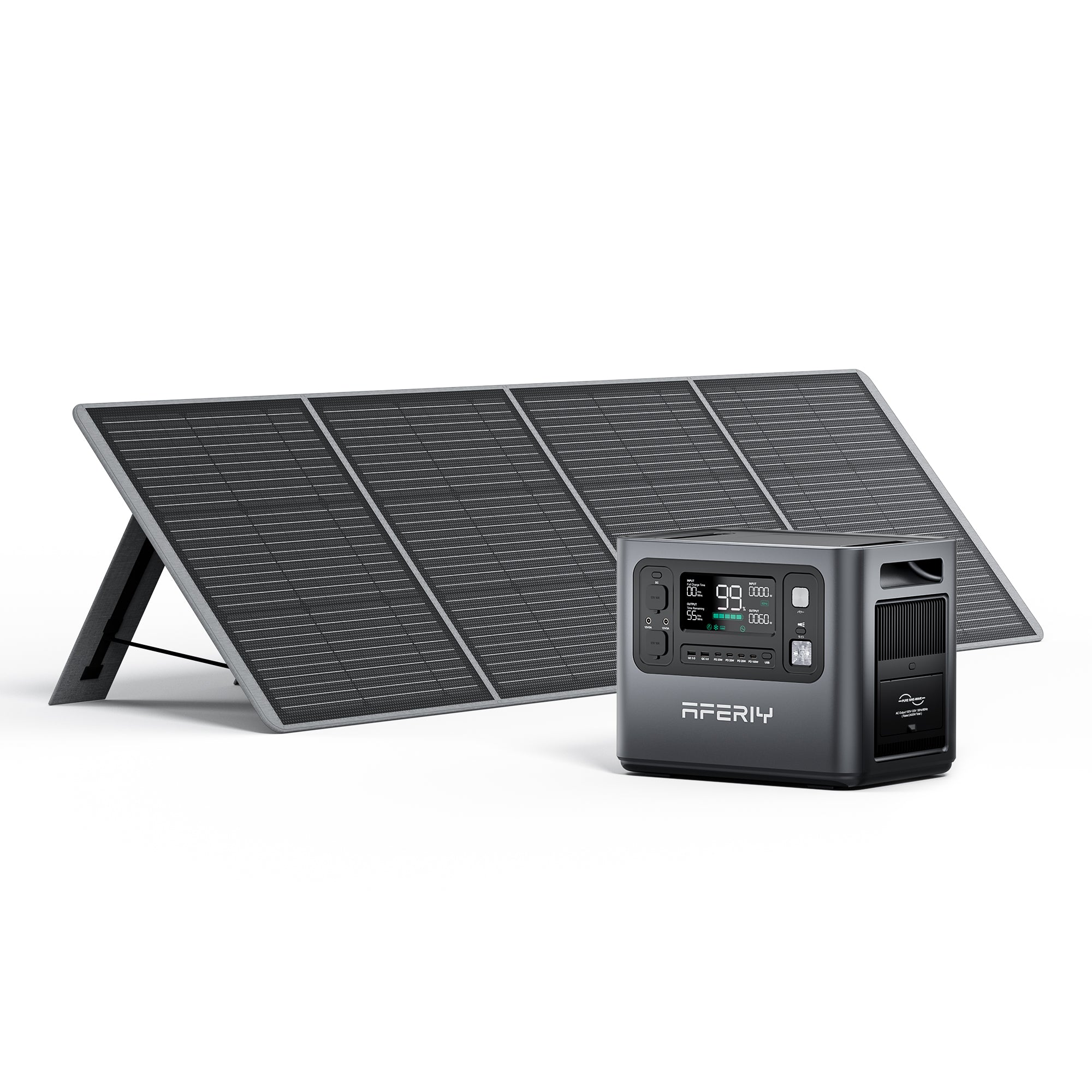
Uma das tecnologias mais amplamente adotadas nos sistemas modernos de armazenamento de energia — a estação de energia portátil, é uma solução compacta e recarregável de energia. Também conhecida como estação de energia com bateria, gerador solar ou gerador de painel solar, armazena energia elétrica em baterias de lítio de alta capacidade e fornece saídas estáveis de CA e CC. Apresenta baterias de fosfato de ferro-lítio, comumente chamadas de baterias LiFePO4.
Comparadas com as baterias tradicionais de chumbo-ácido, as baterias de fosfato de ferro-lítio oferecem vantagens significativas:
Vida útil prolongada
Muitas baterias LiFePO4 podem suportar milhares de ciclos de carga-descarga, superando em muito as baterias convencionais.
Segurança Reforçada
O sistema químico LiFePO4 é conhecido pela estabilidade térmica, reduzindo significativamente os riscos de sobreaquecimento.
Alta Eficiência
Estas baterias armazenam e libertam energia elétrica de forma eficiente, tornando-as uma escolha ideal para sistemas de backup de emergência.
Desempenho Estável
Mantêm um desempenho consistente mesmo sob condições de alta carga, o que é crucial durante falhas prolongadas de energia.
Devido a estas vantagens, as baterias LiFePO4 estão a tornar-se cada vez mais a solução preferida para sistemas de armazenamento de energia residenciais e comerciais.
Usos Comuns do Armazenamento de Energia Durante Falhas de Energia
Os sistemas de armazenamento de energia podem alimentar inúmeros dispositivos críticos durante falhas de energia. Dependendo da capacidade da bateria, podem manter aparelhos essenciais a funcionar durante horas ou até dias.
As aplicações típicas incluem:
- Frigoríficos e congeladores
- Sistemas de iluminação LED
- Roteadores Wi-Fi e equipamentos de rede
- Dispositivos médicos (por exemplo, máquinas de pressão positiva contínua nas vias aéreas)
- Câmaras de segurança e sistemas de alarme
Para pequenas empresas, o armazenamento em baterias pode também alimentar:
- Caixas registadoras
- Sistemas de ponto de venda
- Computadores de escritório
- Pequenas unidades de refrigeração
Estes sistemas garantem que as operações diárias e funções críticas continuem sem interrupções durante falhas na rede.
O Futuro do Armazenamento de Energia na Ucrânia
À medida que a Ucrânia continua a reconstruir e fortalecer a sua infraestrutura energética, espera-se que os sistemas de energia distribuída desempenhem um papel cada vez mais vital.
Organizações como a Agência Internacional de Energia têm enfatizado a importância das soluções de energia distribuída para melhorar a resiliência da rede.
As estratégias energéticas futuras podem incluir:
- Expansão das aplicações de armazenamento de energia residencial para backup
- Integração da energia solar com outras fontes de energia
- Redes de armazenamento de energia a nível comunitário
- Tecnologias de rede inteligente para gerir a procura de eletricidade
Estas abordagens ajudam a reduzir a dependência da infraestrutura centralizada e fortalecem a capacidade do sistema energético para resistir a interrupções.
Conclusão
As falhas de energia tornaram-se um grande desafio para as famílias e empresas ucranianas. À medida que as reparações da infraestrutura continuam e a procura de eletricidade aumenta, as soluções fiáveis de energia de reserva são mais críticas do que nunca.
Embora os geradores tradicionais ainda cumpram a sua função, os sistemas portáteis de armazenamento de energia oferecem uma alternativa mais silenciosa, limpa e fiável. Equipados com tecnologias como baterias de fosfato de ferro de lítio, proporcionam uma vida útil prolongada, elevados padrões de segurança e uma eficiência superior no armazenamento de energia, tornando-os uma escolha ideal para energia de emergência.
Para muitas famílias e empresas, investir em sistemas de armazenamento de energia já não é apenas uma questão de conveniência—num ambiente incerto, está a tornar-se cada vez mais um componente crítico da segurança energética.
Perguntas Frequentes
Quanto tempo duram as falhas de energia na Ucrânia?
As falhas de energia na Ucrânia variam significativamente por região e condições da infraestrutura local. Desde a invasão da Ucrânia pela Rússia, muitas áreas implementaram cortes programados para estabilizar a operação da rede.
Em algumas cidades, as falhas podem durar 2 a 4 horas por ocorrência. Em circunstâncias mais severas, as falhas podem estender-se por 8 a 12 horas ou mais, especialmente durante os períodos de pico de inverno. Falhas súbitas também podem ocorrer devido a danos na infraestrutura energética ou reparações de emergência.
Dada a imprevisibilidade da duração das falhas, muitas famílias e empresas estão a recorrer a soluções de energia de reserva, como sistemas de armazenamento em bateria ou estações de energia portáteis, para garantir o fornecimento essencial de eletricidade durante cortes.
Qual é a melhor energia de reserva para casas durante cortes de energia?
A solução ideal de energia de reserva depende das necessidades elétricas da casa, orçamento e ambiente de vida. As opções comuns incluem:
Estações de Energia Portáteis
- Fácil de operar e portátil
- Adequado para alimentar pequenos aparelhos
- Ideal para apartamentos ou falhas de curta duração
Sistemas de Armazenamento de Bateria Domésticos
- Maior capacidade do que dispositivos portáteis
- Pode alimentar vários eletrodomésticos simultaneamente
- Ativa automaticamente a energia de reserva durante falhas na rede
Sistemas Solares + Bateria
- Integra painéis solares com armazenamento em bateria
- Permite geração e armazenamento de energia doméstica
- Proporciona independência energética a longo prazo
Entre estas soluções, os proprietários podem escolher o sistema de armazenamento preferido com base nas preferências pessoais, pois estes sistemas oferecem fornecimento de energia mais fiável, funcionamento silencioso e manutenção mínima em comparação com geradores a combustível.
São os sistemas de armazenamento em bateria melhores do que os geradores?
Sistemas de armazenamento de energia em bateria e geradores fornecem ambos energia de reserva, mas servem necessidades diferentes.
Sistemas de Armazenamento de Energia em Bateria
Vantagens:
- Funcionamento silencioso
- Não requer combustível
- Seguro para uso interior
- Baixos custos de manutenção
- Fornecimento instantâneo de energia durante falhas
Limitações:
- Tempo de funcionamento limitado pela capacidade da bateria
Geradores a combustível
Vantagens:
- Funcionamento contínuo quando há combustível disponível
- Maior potência para cargas pesadas
Limitações:
- Ruído e emissões de gases de escape
- Potenciais restrições no fornecimento de combustível durante crises
- Requer manutenção regular
Para muitas famílias e pequenas empresas, os sistemas modernos de armazenamento de energia em bateria—particularmente aqueles que utilizam tecnologia de bateria de iões de lítio—estão a emergir como a escolha preferida. Proporcionam energia de reserva limpa, silenciosa e fiável.