










Interruzioni di corrente in Ucraina: perché l'accumulo di energia sta diventando essenziale per case e aziende
Negli ultimi anni, le interruzioni di corrente sono diventate una sfida frequente in tutta l'Ucraina. I danni alle infrastrutture energetiche, l'aumento della domanda di elettricità in inverno e una rete nazionale instabile non solo hanno portato a blackout frequenti, ma hanno anche reso imprevedibile l'approvvigionamento energetico per molte famiglie e imprese.
Oltre al freddo estremo, le forze armate russe hanno lanciato i loro attacchi su larga scala alle infrastrutture energetiche critiche dell'Ucraina, causando blackout a livello nazionale. Di conseguenza, famiglie e imprese cercano attivamente soluzioni affidabili di alimentazione di riserva. Tra le opzioni esistenti, i sistemi di accumulo energetico a batteria stanno rapidamente emergendo come uno dei modi più pratici e sostenibili per garantire l'alimentazione durante le interruzioni.
Questo articolo si concentra sul blackout in Ucraina e sul motivo per cui l'accumulo di energia è diventato un componente indispensabile per garantire la sicurezza energetica.
Contenuti
- Il problema crescente delle interruzioni di corrente in Ucraina
- Come le frequenti interruzioni di corrente influenzano la vita quotidiana
- Opzioni Tradizionali di Alimentazione di Riserva
- Perché l’Accumulo Energetico a Batteria è una Soluzione Migliore
- Come le Batterie LiFePO4 Migliorano la Sicurezza Energetica
- Usi comuni dell'accumulo energetico durante le interruzioni di corrente
- Il futuro dell'accumulo energetico in Ucraina
- Conclusione
- Domande frequenti
Il problema crescente delle interruzioni di corrente in Ucraina
Negli ultimi anni, la rete elettrica ucraina ha subito enormi pressioni. Attacchi alle infrastrutture energetiche, apparecchiature obsolete e aumento della domanda di elettricità hanno portato collettivamente a frequenti interruzioni di corrente.
I seguenti fattori hanno aggravato il problema:
- Danni alle reti di trasmissione e distribuzione
- Capacità insufficiente di generazione elettrica invernale
- Aumento della domanda di elettricità per il riscaldamento
- Manutenzione continua delle infrastrutture critiche
Queste sfide spesso portano a blackout rotativi: interruzioni temporanee di corrente in aree specifiche per stabilizzare la rete.
In molte città ucraine, i residenti possono sperimentare più interruzioni settimanali, soprattutto durante le stagioni fredde, quando il consumo di elettricità raggiunge il picco.
Come le frequenti interruzioni di corrente influenzano la vita quotidiana
Le interruzioni di corrente non sono solo inconvenienti temporanei: interrompono le attività quotidiane e le operazioni commerciali.
Impatto sulle famiglie
Per le famiglie, un'interruzione di corrente può rapidamente trasformarsi in un problema serio. Molti elettrodomestici dipendono da un'alimentazione elettrica stabile.
Le sfide comuni nelle abitazioni durante le interruzioni includono:
- I frigoriferi perdono la funzione di raffreddamento, causando il deterioramento degli alimenti.
- Interruzione dell'illuminazione notturna.
- Impossibilità di caricare telefoni cellulari o laptop.
- I sistemi di riscaldamento invernale si spengono.
- Interruzione della rete, router, modem ottici, ecc., non possono funzionare.
- Il sistema di approvvigionamento idrico è compromesso.
- Le apparecchiature di sicurezza domestica, come i sistemi di sorveglianza e allarme, si guastano, aumentando i rischi per la sicurezza.
- Le apparecchiature mediche smettono di funzionare, come i concentratori di ossigeno e i ventilatori.
- Le porte dei garage e i cancelli elettrici non possono essere aperti, impedendo l'ingresso o l'uscita dei veicoli.
Gli abitanti degli appartamenti sono particolarmente vulnerabili, poiché hanno un accesso limitato ai generatori alimentati a carburante.
Impatto sulle Aziende
Le aziende affrontano rischi ancora più gravi.
Piccole imprese, uffici e negozi al dettaglio dipendono dall’elettricità per mantenere:
- Sistemi di pagamento
- Connettività Internet
- Sistemi di sicurezza
- Refrigerazione di prodotti deperibili
Anche brevi interruzioni possono causare interruzioni operative, riduzione della produttività e perdite finanziarie.
Opzioni Tradizionali di Alimentazione di Riserva
Durante le interruzioni di corrente, le persone spesso ricorrono a soluzioni di backup tradizionali. La scelta più comune è un generatore a combustibile.
Generatori Diesel
I generatori diesel sono da tempo utilizzati come fonti di energia di emergenza per abitazioni e edifici commerciali.
Vantaggi
- Elevata potenza in uscita
- Adatto per edifici di grandi dimensioni
Svantaggi
- Funzionamento rumoroso
- Carenze di carburante durante le crisi
- Elevate esigenze di manutenzione
Generatori a Benzina
I generatori portatili a benzina rappresentano un’altra soluzione popolare.
Vantaggi
- Relativamente economico
- Facile da reperire
Svantaggi
- Non sicuro per l’uso interno
- Richiede rifornimenti frequenti
- Emette fumi di scarico e rumore
Nelle regioni con forniture di carburante instabili, questi generatori potrebbero non garantire una soluzione affidabile a lungo termine.
Perché l’Accumulo Energetico a Batteria è una Soluzione Migliore
I sistemi di accumulo energetico a batteria stanno sostituendo sempre più i generatori tradizionali come scelta principale. A differenza dei generatori a combustibile, questi sistemi immagazzinano energia elettrica in batterie ricaricabili e forniscono energia istantanea durante le interruzioni.
I principali vantaggi dell’accumulo energetico a batteria includono:
- Funzionamento silenzioso senza rumore di motore
- Zero emissioni, adatta per ambienti interni
- Commutazione istantanea durante le interruzioni di rete
- Costi di manutenzione inferiori rispetto ai generatori tradizionali

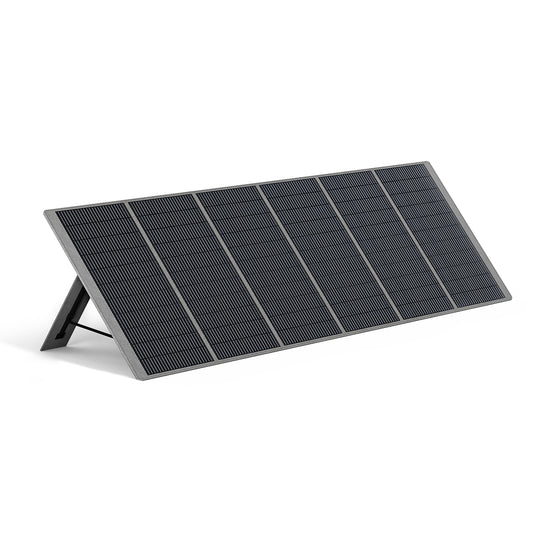
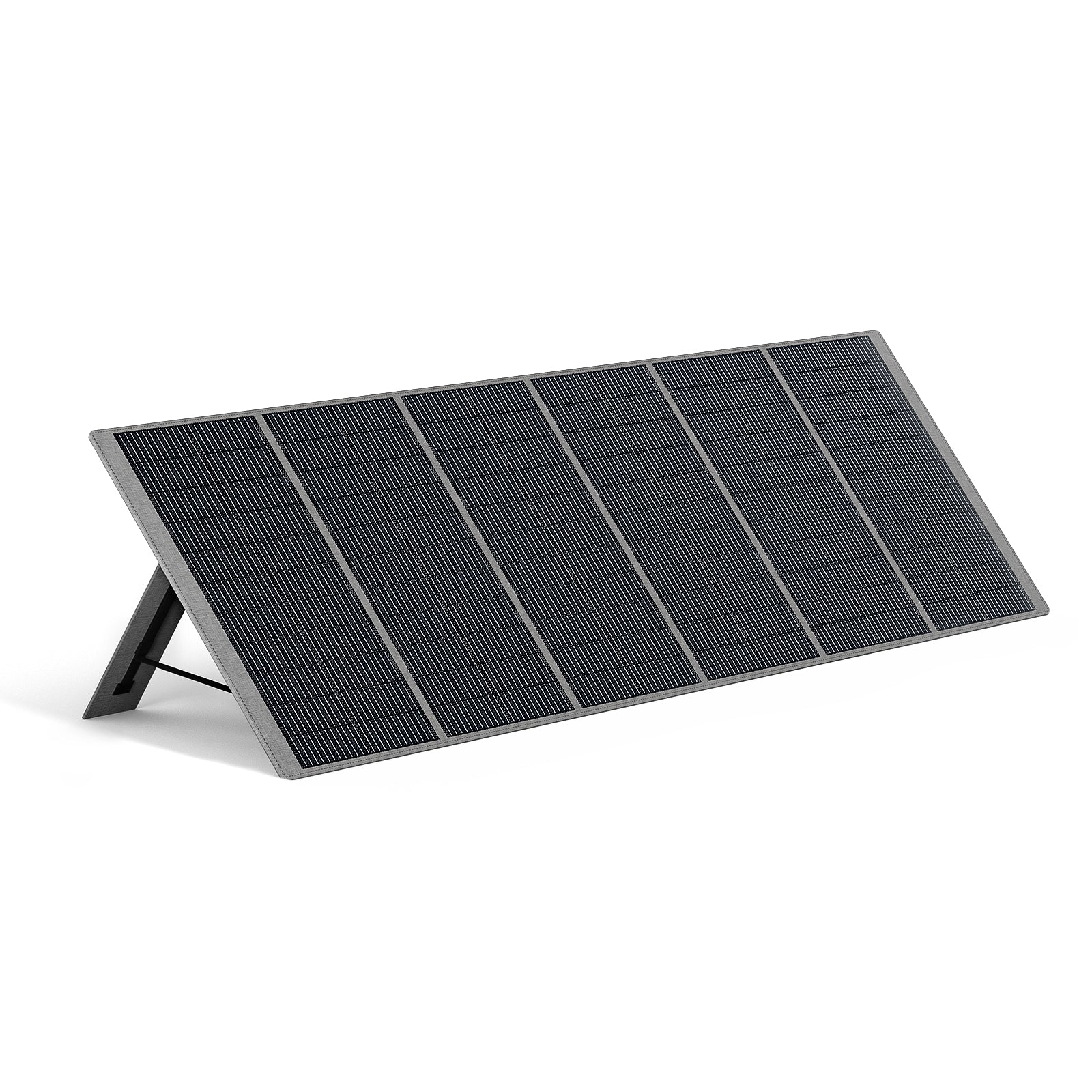
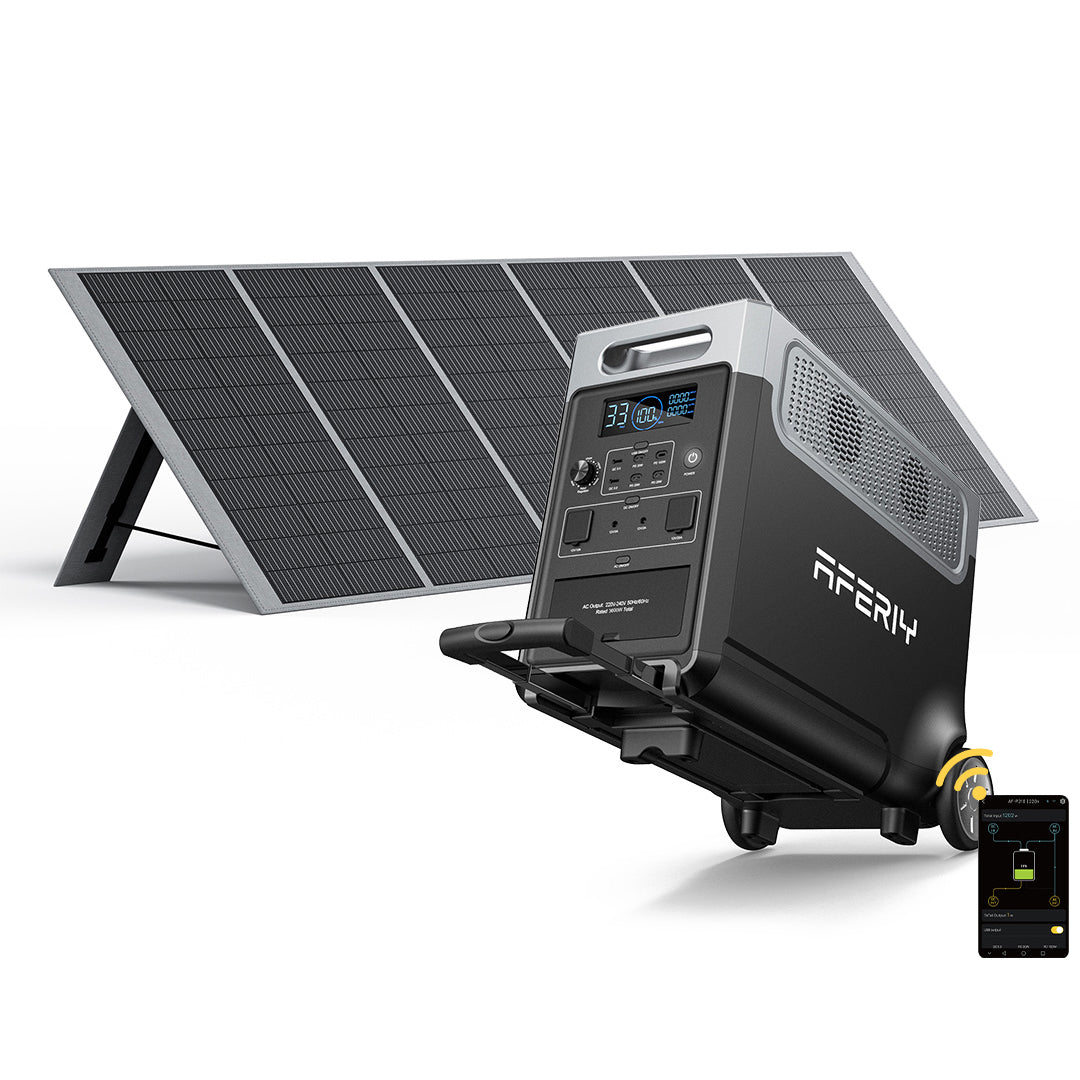
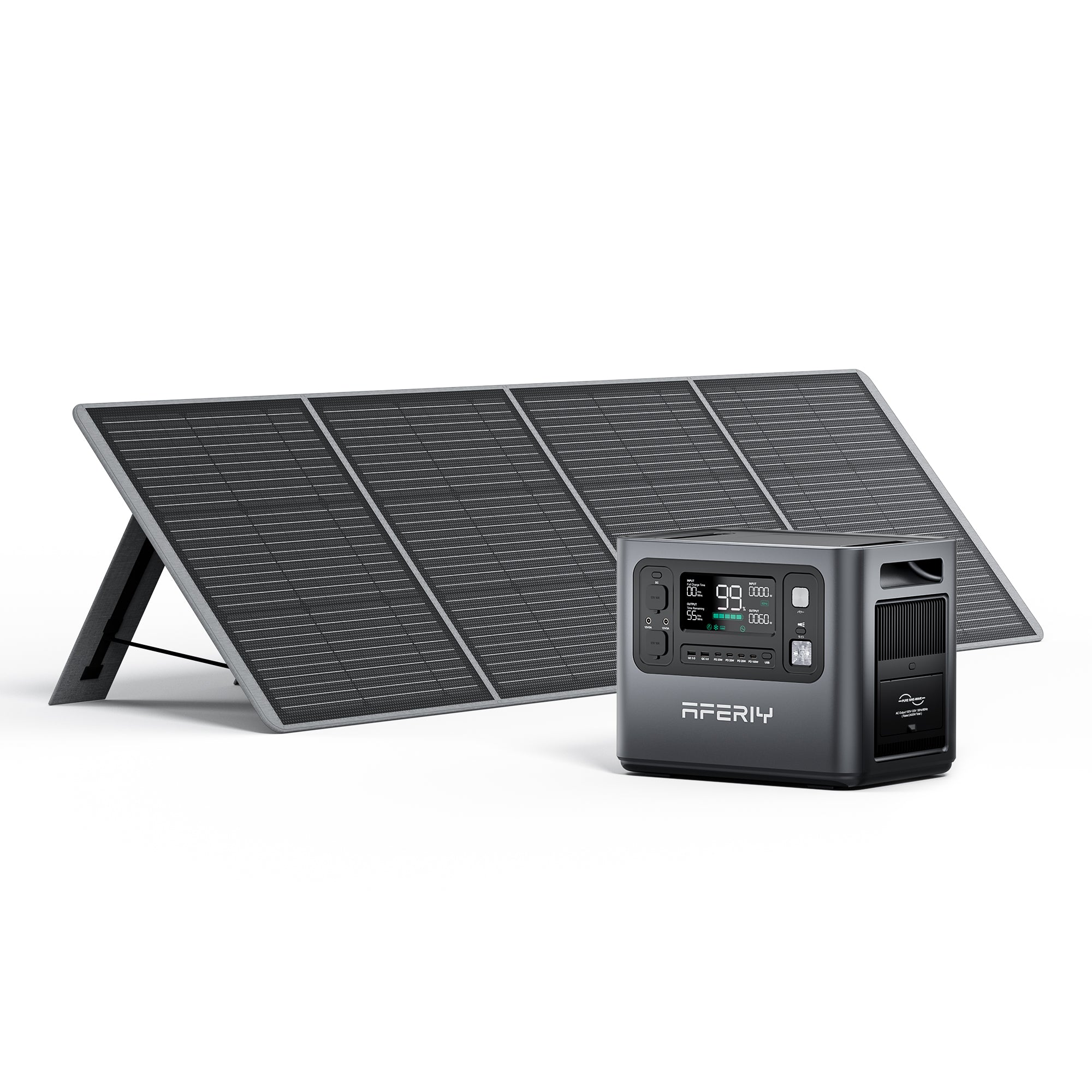
I sistemi moderni possono anche integrarsi con pannelli solari, permettendo a case e aziende di generare e immagazzinare la propria elettricità.
Questa combinazione crea una soluzione di alimentazione più resiliente e sostenibile.
Come le Batterie LiFePO4 Migliorano la Sicurezza Energetica
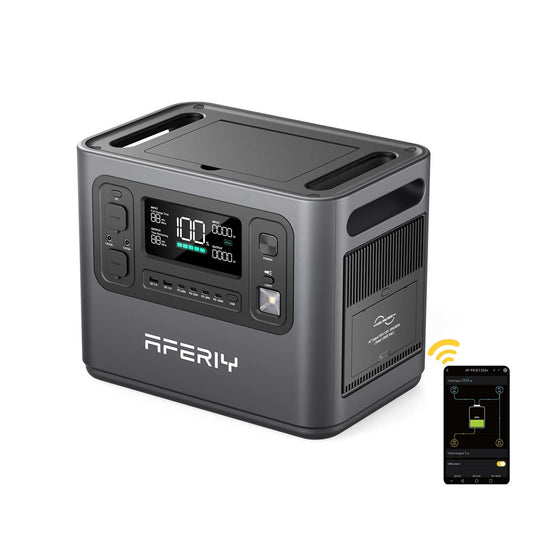
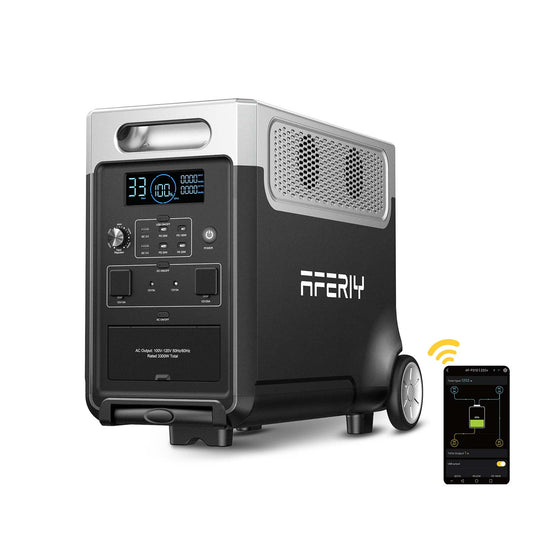
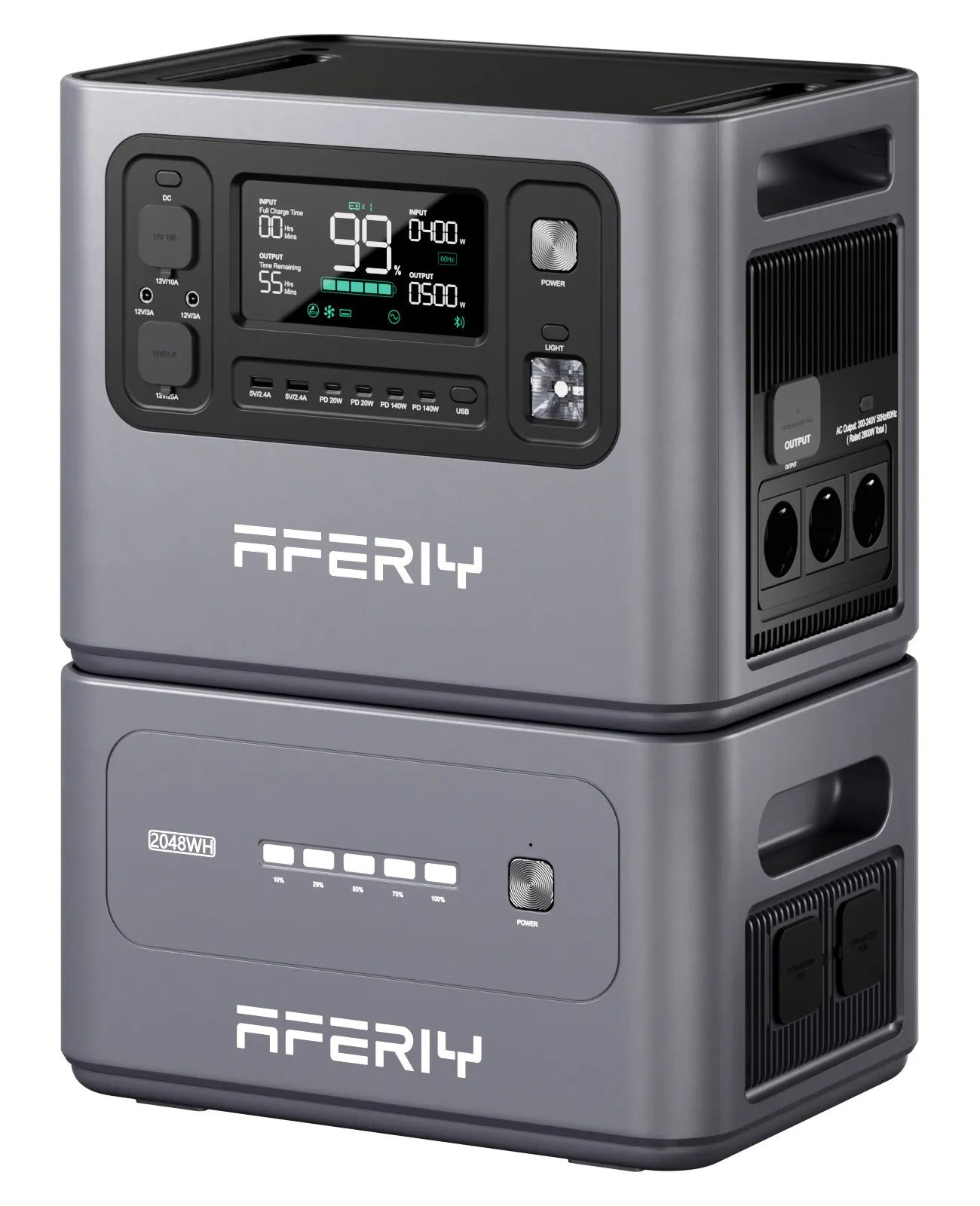
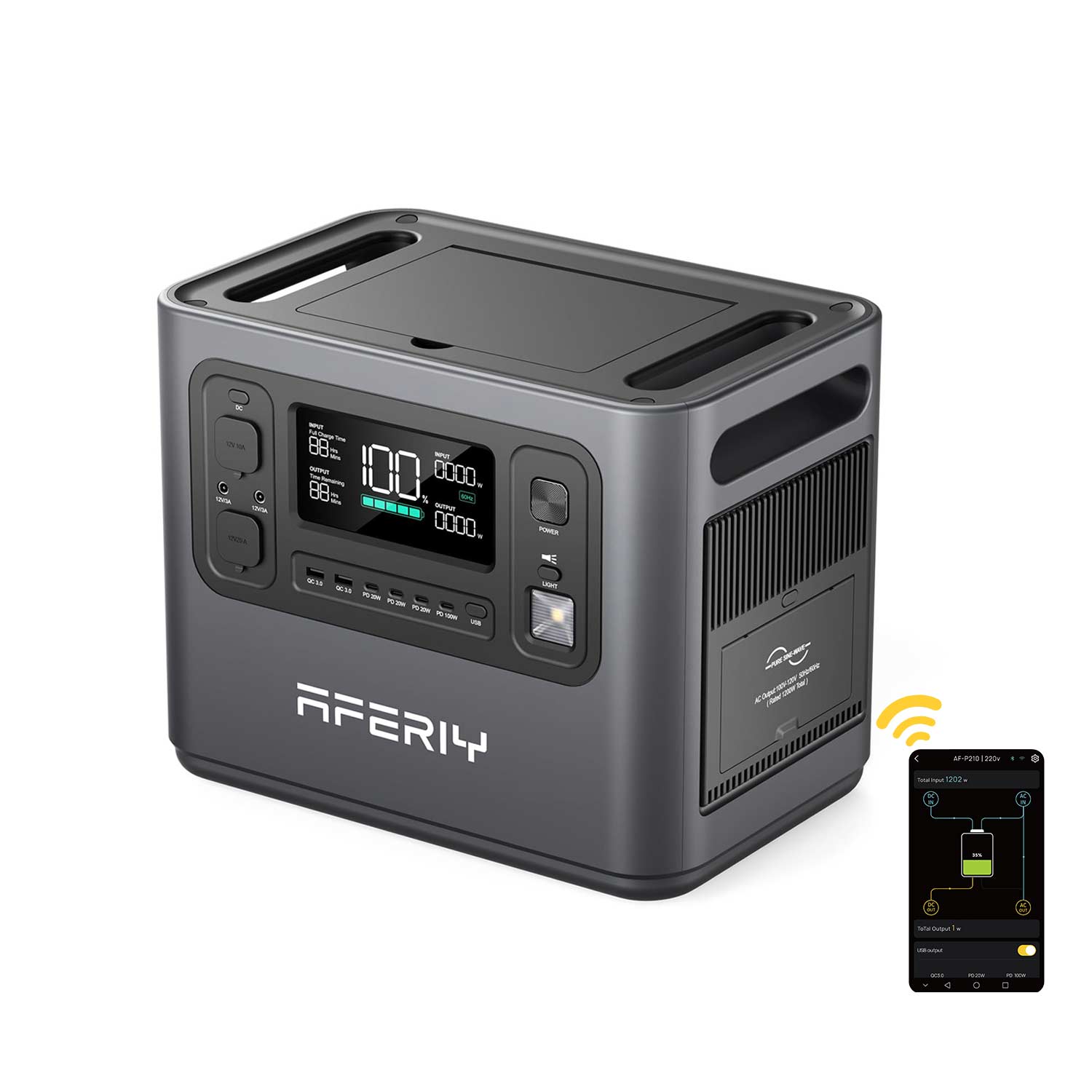
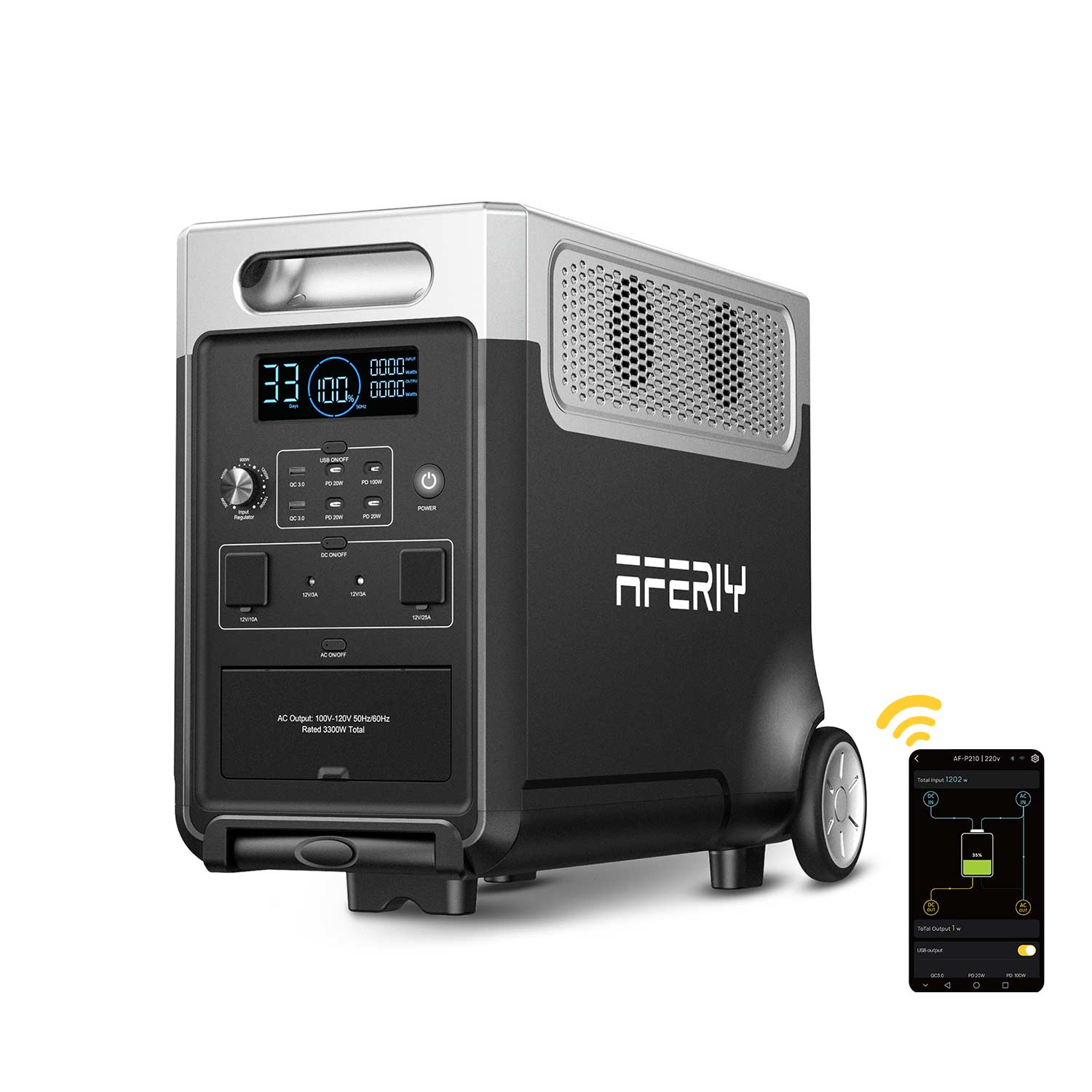
Una delle tecnologie più diffuse nei moderni sistemi di accumulo energetico—la stazione di energia portatile, è una soluzione compatta e ricaricabile per l’energia. Conosciuta anche come stazione di alimentazione a batteria, generatore solare o generatore a pannelli solari, immagazzina energia elettrica in batterie al litio ad alta capacità e fornisce uscite AC e DC stabili. È dotata di batterie al litio ferro fosfato, comunemente chiamate batterie LiFePO4.
Rispetto alle tradizionali batterie al piombo-acido, le batterie al litio ferro fosfato offrono vantaggi significativi:
Durata Estesa
Molte batterie LiFePO4 possono sopportare migliaia di cicli di carica e scarica, superando di gran lunga le batterie convenzionali.
Sicurezza migliorata
Il sistema chimico LiFePO4 è noto per la stabilità termica, riducendo significativamente i rischi di surriscaldamento.
Alta efficienza
Queste batterie immagazzinano e rilasciano energia elettrica in modo efficiente, rendendole una scelta ideale per i sistemi di backup di emergenza.
Prestazioni stabili
Mantengono prestazioni costanti anche in condizioni di carico elevato, cosa fondamentale durante interruzioni di corrente prolungate.
Grazie a questi vantaggi, le batterie LiFePO4 stanno diventando sempre più la soluzione preferita per i sistemi di accumulo energetico residenziali e commerciali.
Usi comuni dell'accumulo energetico durante le interruzioni di corrente
I sistemi di accumulo energetico possono alimentare numerosi dispositivi critici durante le interruzioni di corrente. A seconda della capacità della batteria, possono mantenere in funzione gli elettrodomestici essenziali per ore o addirittura giorni.
Applicazioni tipiche includono:
- Frigoriferi e congelatori
- Sistemi di illuminazione a LED
- Router Wi-Fi e apparecchiature di rete
- Dispositivi medici (ad esempio, macchine per la pressione positiva continua delle vie aeree)
- Telecamere di sicurezza e sistemi di allarme
Per le piccole imprese, l'accumulo con batterie può alimentare anche:
- Registratori di cassa
- Sistemi di punto vendita
- Computer per ufficio
- Piccoli frigoriferi
Questi sistemi garantiscono che le operazioni quotidiane e le funzioni critiche continuino senza interruzioni durante i blackout.
Il futuro dell'accumulo energetico in Ucraina
Mentre l'Ucraina continua a ricostruire e rafforzare la sua infrastruttura energetica, i sistemi energetici distribuiti sono destinati a svolgere un ruolo sempre più vitale.
Organizzazioni come l'Agenzia Internazionale per l'Energia hanno sottolineato l'importanza delle soluzioni energetiche distribuite per migliorare la resilienza della rete.
Le strategie energetiche future potrebbero includere:
- Espansione delle applicazioni di backup energetico residenziale
- Integrazione dell'energia solare con altre fonti di energia
- Reti di accumulo energetico a livello comunitario
- Tecnologie smart grid per la gestione della domanda di elettricità
Questi approcci aiutano a ridurre la dipendenza dall'infrastruttura centralizzata e a rafforzare la capacità del sistema energetico di resistere alle interruzioni.
Conclusione
Le interruzioni di corrente sono diventate una sfida importante per le famiglie e le imprese ucraine. Con il proseguimento delle riparazioni delle infrastrutture e l'aumento della domanda di elettricità, le soluzioni di backup energetico affidabili sono più cruciali che mai.
Mentre i generatori tradizionali continuano a svolgere il loro ruolo, i sistemi portatili di accumulo energetico offrono un'alternativa più silenziosa, pulita e affidabile. Dotati di tecnologie come le batterie al litio ferro fosfato, garantiscono una durata prolungata, elevati standard di sicurezza e un'efficienza superiore nell'accumulo di energia, rendendoli una scelta ideale per l'alimentazione di emergenza.
Per molte famiglie e imprese, investire in sistemi di accumulo energetico non è più solo una questione di comodità—in un ambiente incerto, sta diventando sempre più un componente critico della sicurezza energetica.
Domande frequenti
Quanto durano le interruzioni di corrente in Ucraina?
Le interruzioni di corrente in Ucraina variano significativamente a seconda della regione e delle condizioni delle infrastrutture locali. Dall’invasione russa, molte aree hanno adottato blackout programmati a rotazione per stabilizzare il funzionamento della rete.
In alcune città, le interruzioni possono durare da 2 a 4 ore per evento. In circostanze più gravi, le interruzioni possono estendersi fino a 8-12 ore o più, specialmente durante i picchi di domanda invernali. Interruzioni improvvise possono anche verificarsi a causa di danni alle infrastrutture energetiche o riparazioni di emergenza.
Data l’imprevedibilità della durata delle interruzioni, molte famiglie e imprese si rivolgono a soluzioni di energia di riserva come sistemi di accumulo a batteria o stazioni di energia portatili per garantire la fornitura essenziale di elettricità durante i blackout.
Qual è la migliore energia di riserva per le case durante i blackout?
La soluzione ottimale per l’energia di riserva dipende dalle esigenze elettriche della famiglia, dal budget e dall’ambiente abitativo. Le opzioni comuni includono:
Stazioni di energia portatili
- Facile da usare e portatile
- Adatto per alimentare piccoli elettrodomestici
- Ideale per appartamenti o interruzioni a breve termine
Sistemi di accumulo domestici a batteria
- Capacità superiore rispetto ai dispositivi portatili
- Può alimentare più elettrodomestici contemporaneamente
- Attiva automaticamente l’energia di riserva durante i guasti della rete
Sistemi Solari + Batteria
- Integra pannelli solari con accumulo a batteria
- Consente la produzione e l’accumulo di energia domestica
- Fornisce indipendenza energetica a lungo termine
Tra queste soluzioni, i proprietari di casa possono scegliere il sistema di accumulo preferito in base alle preferenze personali, poiché questi sistemi offrono una fornitura di energia più affidabile, funzionamento silenzioso e manutenzione minima rispetto ai generatori a carburante.
I sistemi di accumulo a batteria sono migliori dei generatori?
I sistemi di accumulo a batteria e i generatori forniscono entrambi energia di riserva, ma soddisfano esigenze diverse.
Sistemi di accumulo di energia a batteria
Vantaggi:
- Funzionamento silenzioso
- Non richiede carburante
- Sicuro per l’uso interno
- Bassi costi di manutenzione
- Fornitura istantanea di energia durante le interruzioni
Limitazioni:
- Tempo di funzionamento limitato dalla capacità della batteria
Generatori a carburante
Vantaggi:
- Funzionamento continuo quando il carburante è disponibile
- Maggiore potenza per carichi pesanti
Limitazioni:
- Rumore ed emissioni di scarico
- Potenziali vincoli nella fornitura di carburante durante le crisi
- Richiede manutenzione regolare
Per molte famiglie e piccole imprese, i moderni sistemi di accumulo di energia a batteria—particolarmente quelli che utilizzano la tecnologia batteria agli ioni di litio—stanno emergendo come la scelta preferita. Offrono energia di riserva pulita, silenziosa e affidabile.