










 Read
Read
Education
When the Power Goes Out, Learning Goes On
AFERIY donated 10 portable power stations to eight schools in Ukraine so learning, lighting and communication can continue during outages.
ExploreEducation
A 15-day scientific expedition in Greenland.
Read
Education
AFERIY donated 10 portable power stations to eight schools in Ukraine so learning, lighting and communication can continue during outages.
Explore Read
Read
Events
At the 2025 IPA France European Shooting Championship, the AFERIY P210 supplied flexible power for working areas across the range.
Explore Read
Read
Outdoor Life
Sarah puts AFERIY to work with her tools, at the veterinary practice and through a night outdoors.
Explore Read
Read
Education
During 15 days of whale research in Greenland, AFERIY kept cameras, audio equipment and scientific tools ready off the grid.
Explore Read
Read
Events
AFERIY supported a Race Against Dementia community weekend and donated a P040 portable power station for the fundraiser.
Explore Read
Read
Education
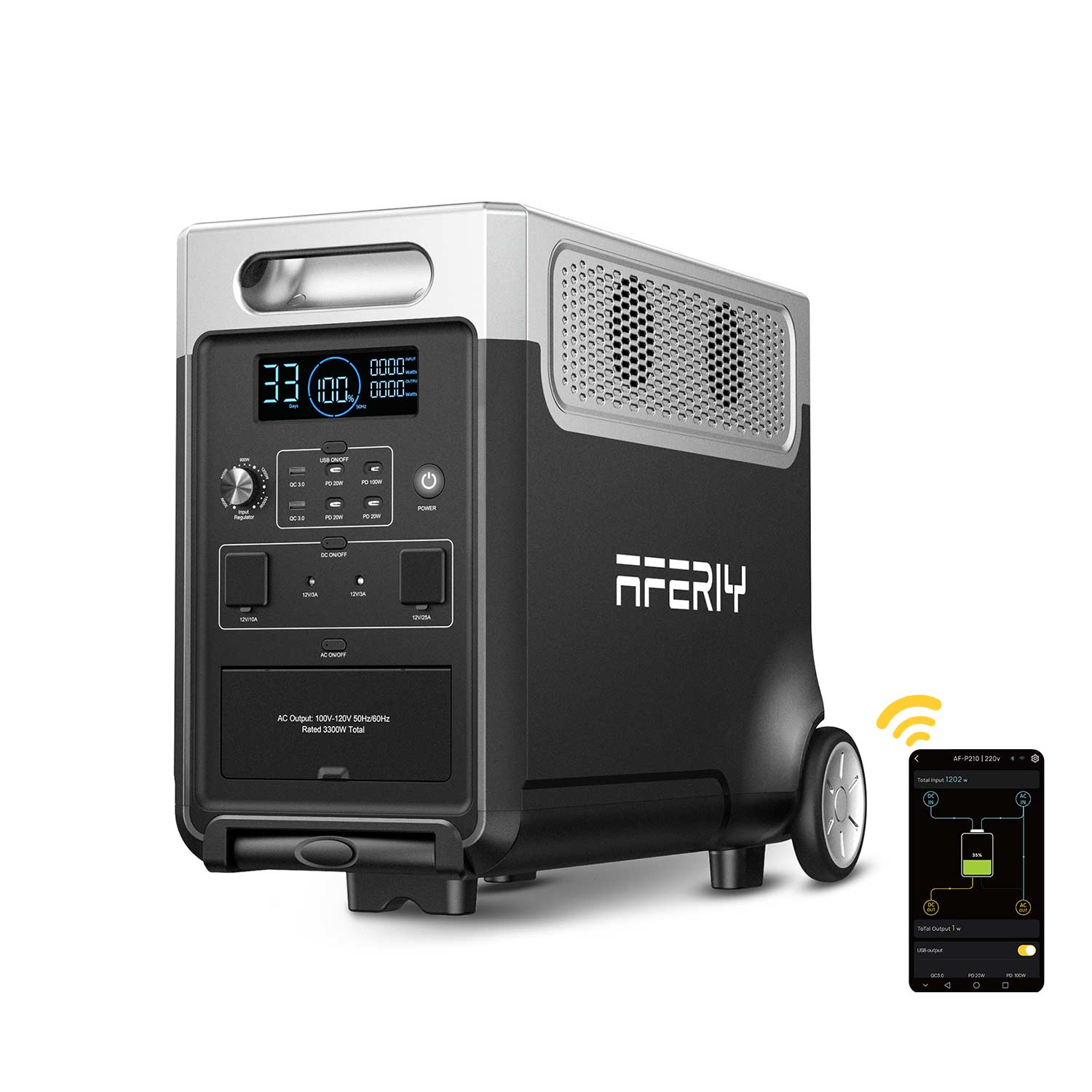
AFERIY P280 supports a children’s fire engine that brings firefighting technology, teamwork and responsibility to young people.
ExploreThe project grew from a desire to make a documentary about adolescence and the living world. We followed a scientific expedition in Greenland with young women aged 14 to 16 from the Cap Au Nord program, focused on listening to whales. We wanted to film their journey, wonder, doubts and relationship to the territory as they evolved throughout the expedition.
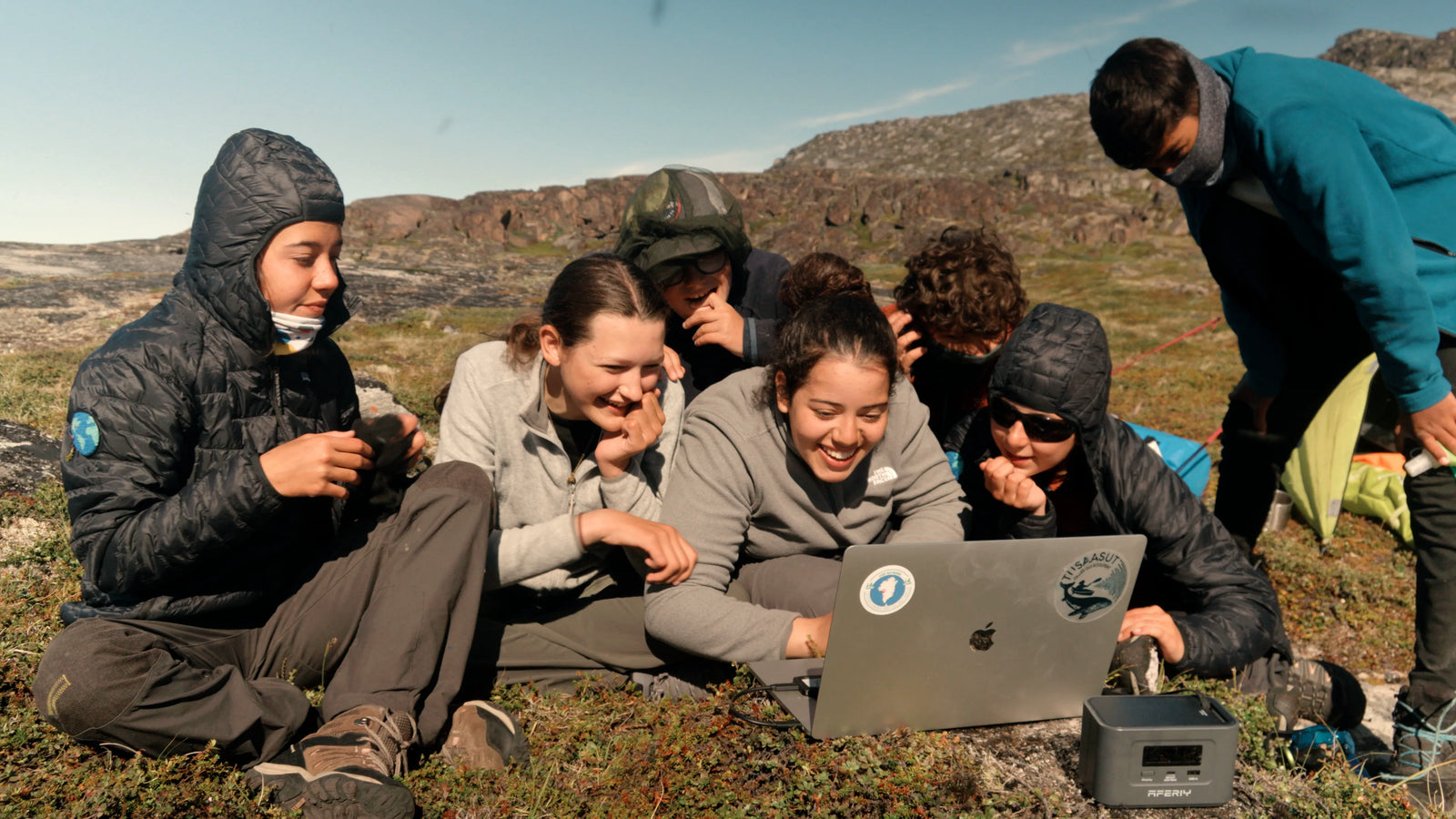
After landing in Ilulissat, a team of 16 set out by kayak toward Oqaatsut with two guides. For 15 days they travelled from camp to camp to study whales, paddling for hours, setting up bivouacs, melting iceberg water, cooking, recharging equipment and preparing recordings for the next day.
They observed around ten whales each day, some passing close to or beneath the kayaks. The encounters added a special dimension to the scientific work: the team could listen to the whales while observing them in their environment.
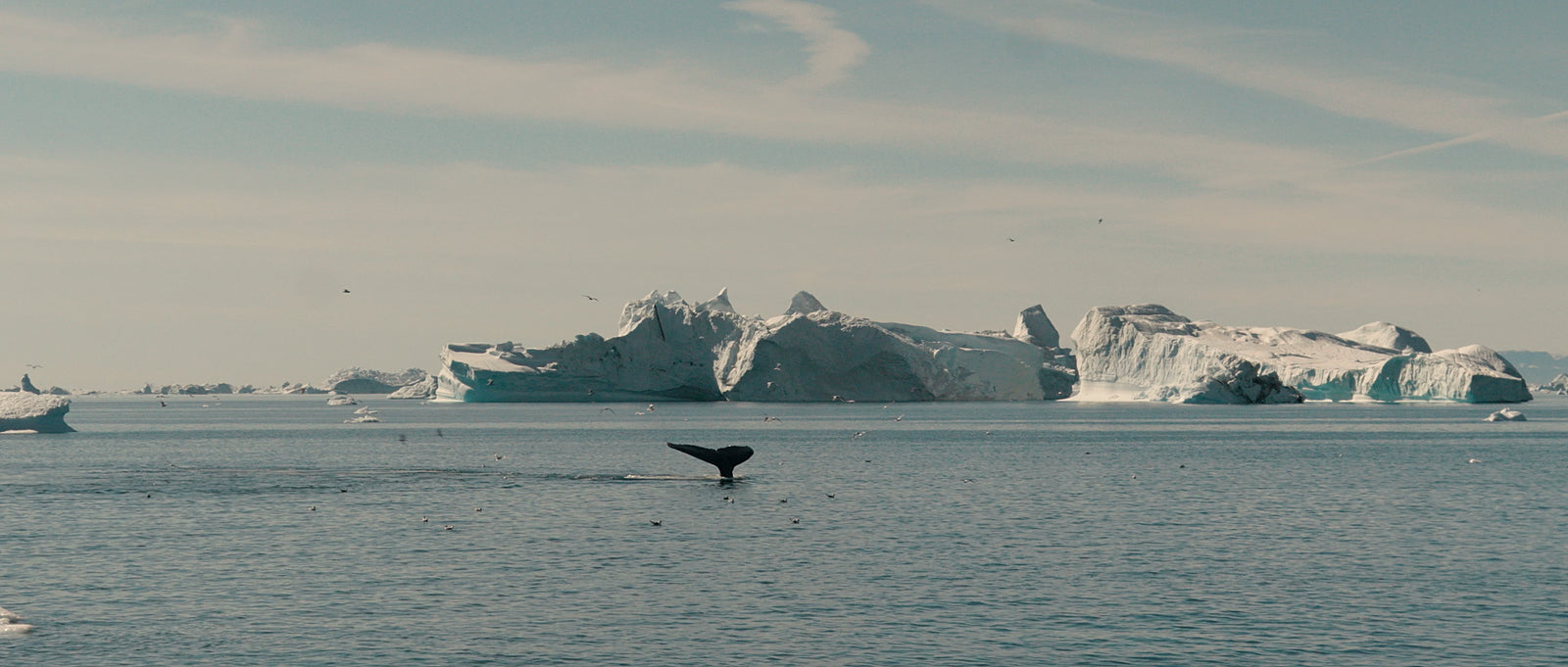
After 10 days of hydrophone recordings, the team finally heard and recorded a humpback whale vocalization. The next day they recorded more varied calls, which were moving moments for the young women and the crew.
Electricity was a real concern throughout the preparation. The expedition needed power for cameras, audio recorders, drones, GoPros, phones, computers and scientific equipment.
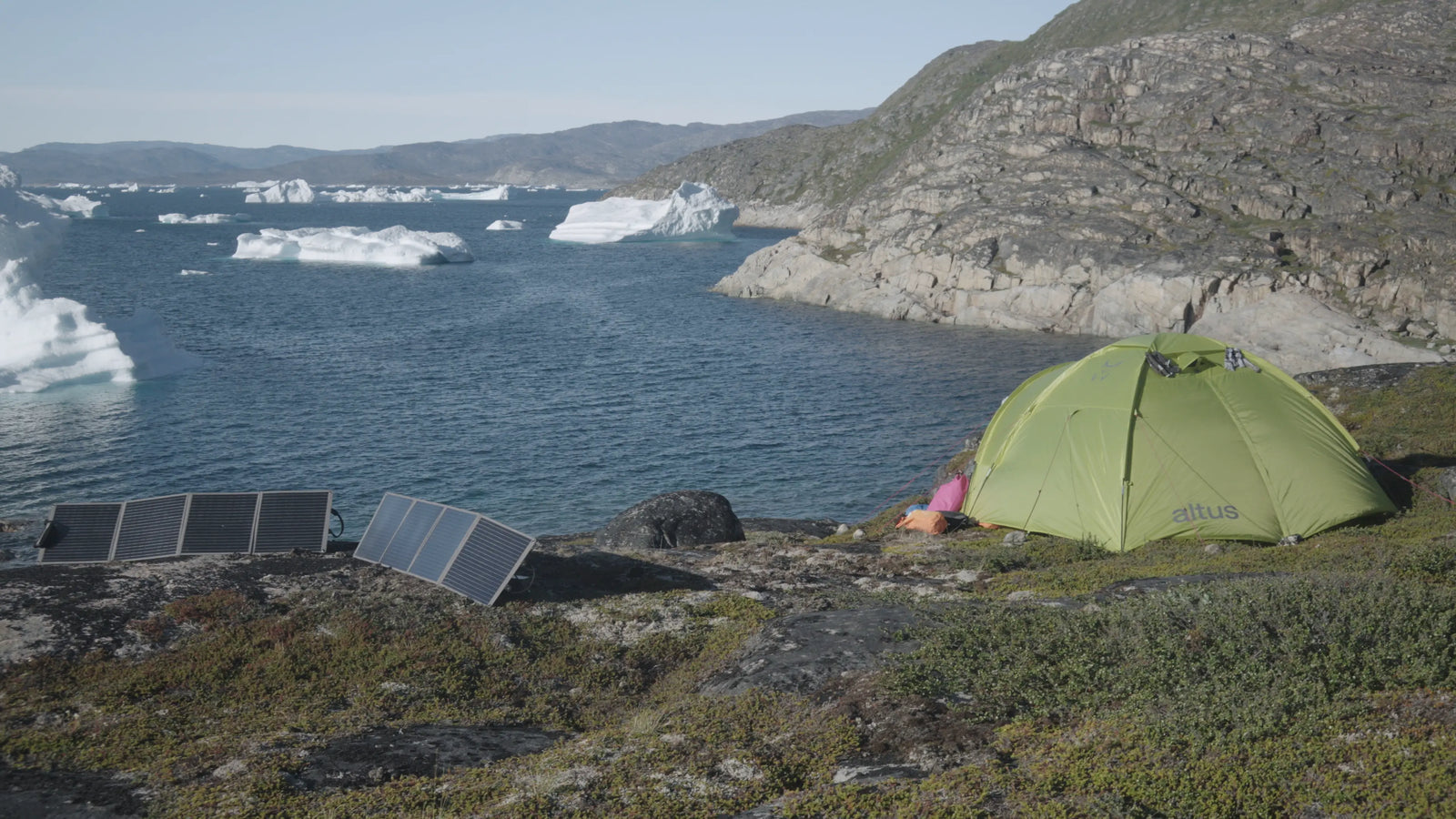
The team planned around autonomy and consumption, using batteries and solar panels in Greenland's perpetual daylight. An empty battery could mean losing a day of filming or scientific data, so they constantly considered what had to be charged first and what could wait.
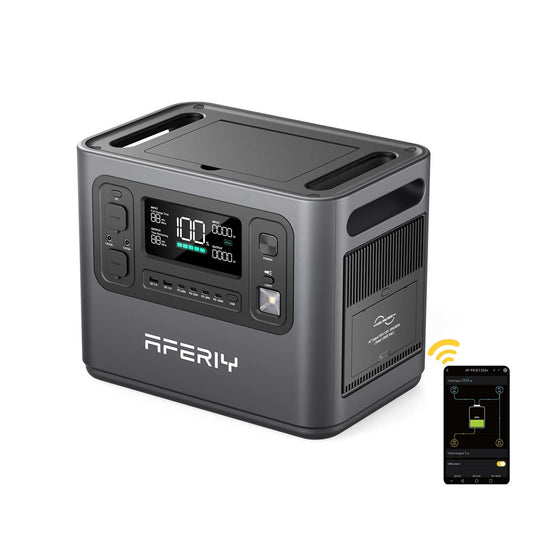
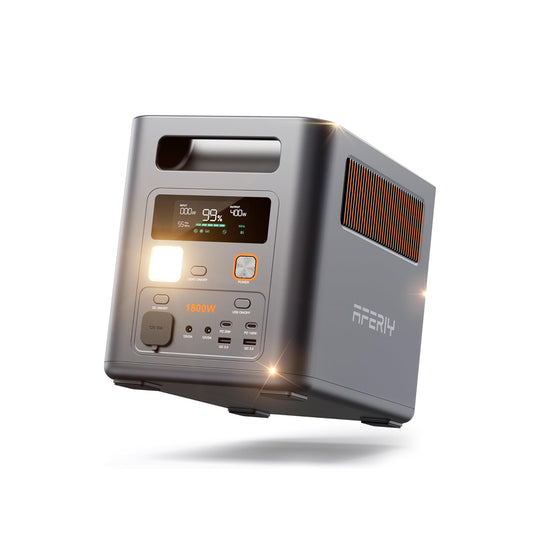
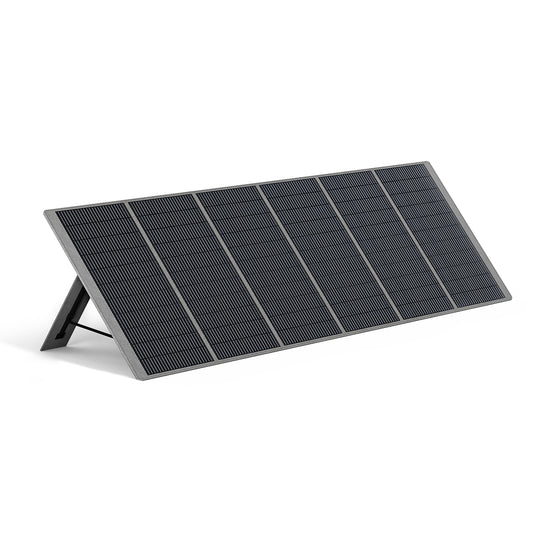
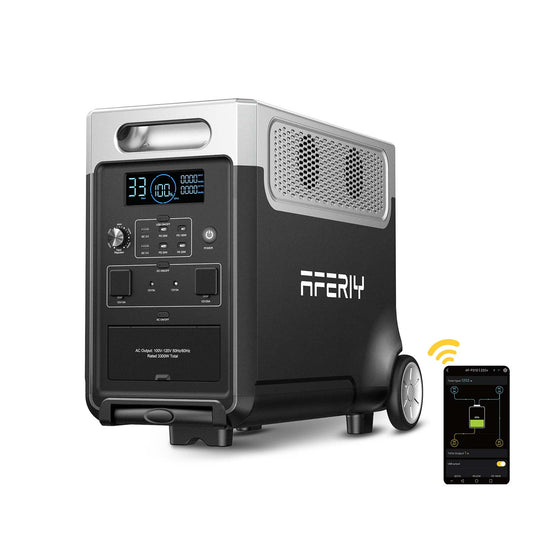
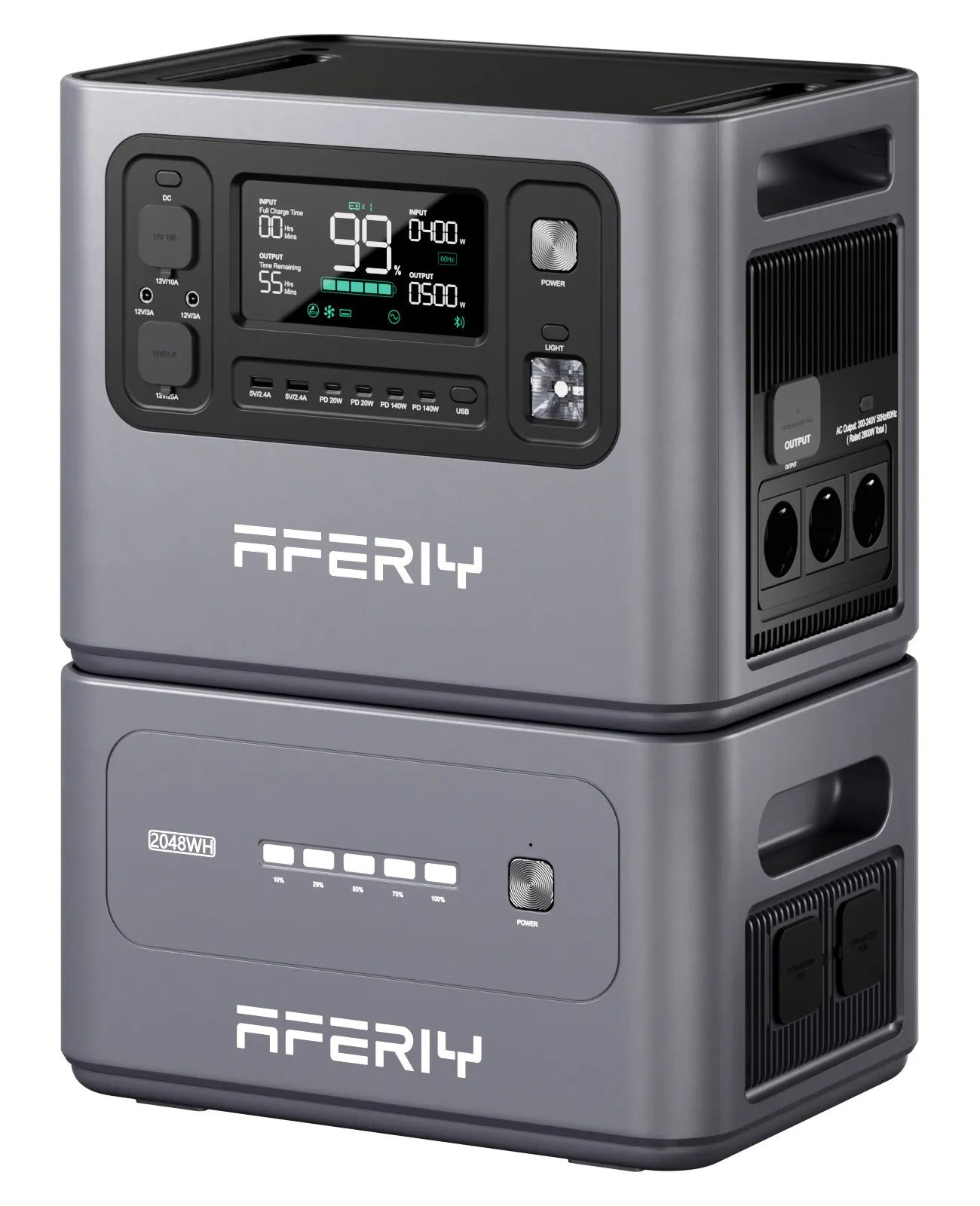
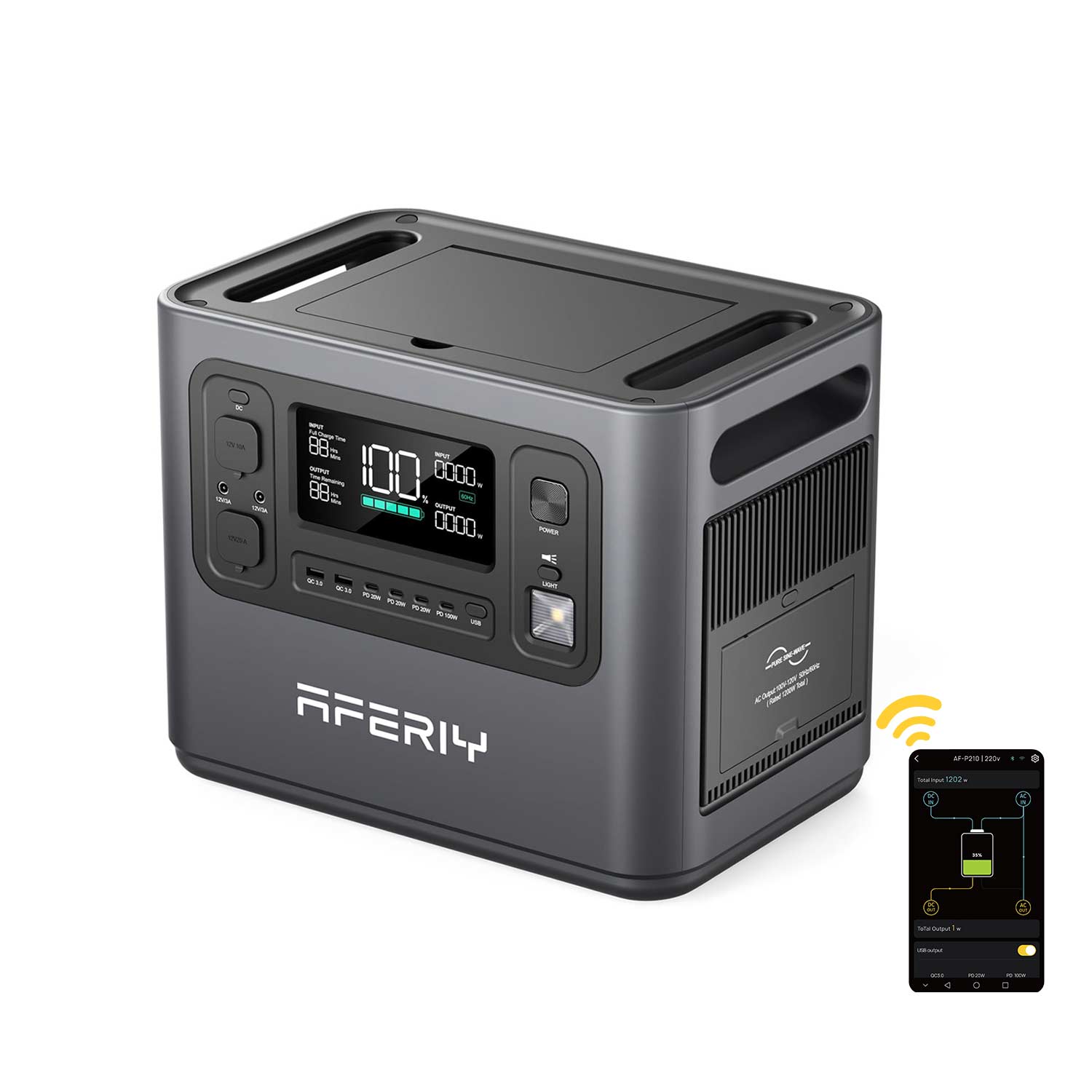
Four Nano100 batteries, two 100W solar panels and the AFERIY station provided a larger, reassuring energy reserve. With no outlets for two weeks, the station centralized charging, recharged quickly with the sun and withstood humidity and rain. It was essential for preserving the ability to film, record and analyze data throughout the expedition.
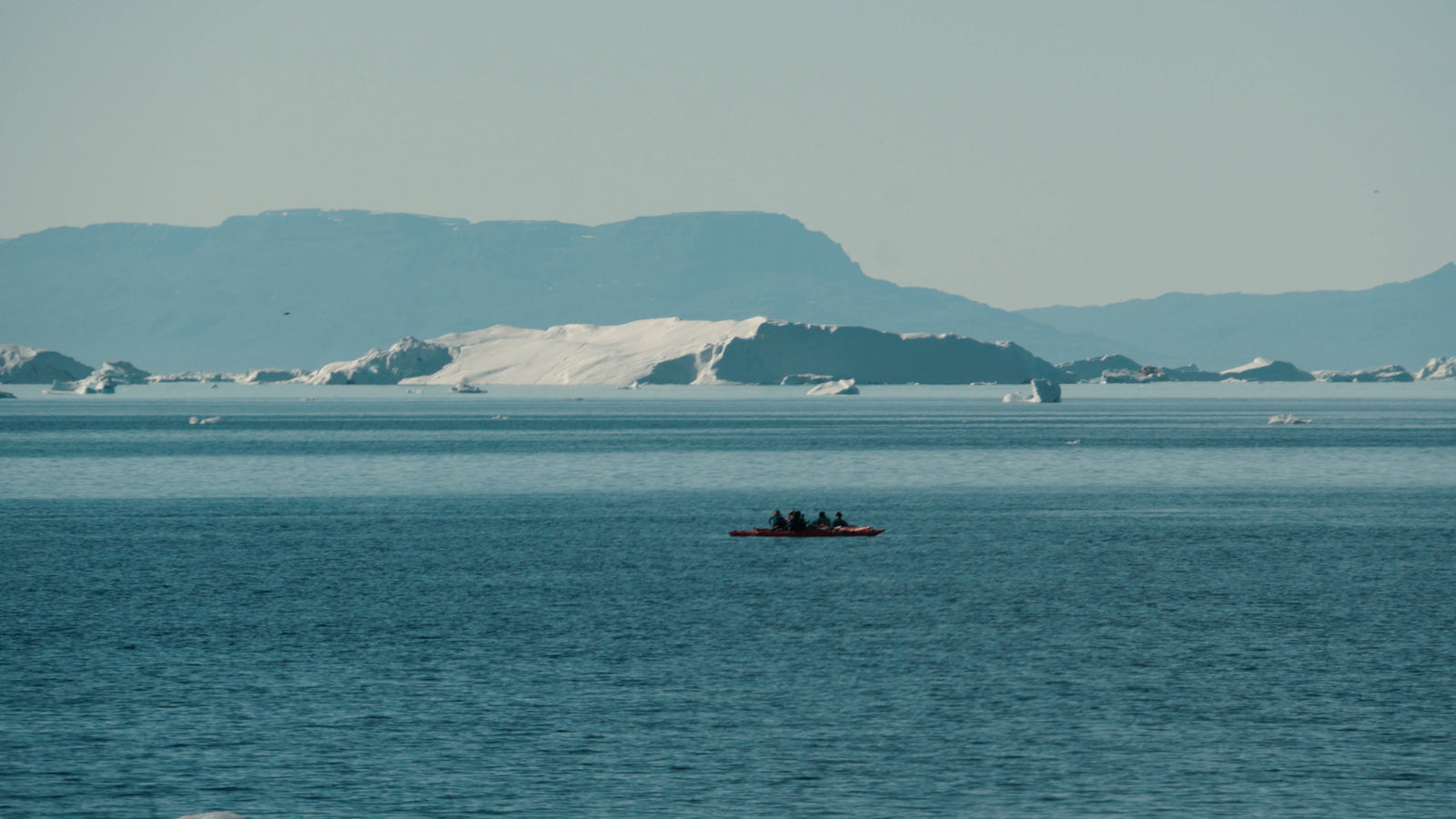
What the team takes away most is learning to adapt and observe. A place takes over once you arrive, and plans must change when the story unfolds differently. Reliable technical equipment gave them the freedom to focus on the artistic and human elements of the journey.
Thanks for subscribing!
This email has been registered!